Το Γάλα των Ονείρων: 59η Biennale Τέχνης (2022)
DS.WRITER:
Sophia Throuvala
Πηγή Κεντρικής Εικόνας: arshake.com
Από τις 23 Απριλίου ξεκίνησε η 59η Μπιενάλε Τέχνης στη Βενετία. Μια από τις μεγαλύτερες εκθέσεις σύγχρονης τέχνης και ίσως μια από τις σημαντικότερες παγκοσμίως. Από το 1893, που πραγματοποιήθηκε η πρώτη Μπιενάλε, η έκθεση δεν έχει σταματήσει να πραγματοποιείται, με εξαίρεση τον Α’ και τον Β’ παγκόσμιο πόλεμο. Για πρώτη φορά στην ιστορία του φεστιβάλ, οι εργασίες διακόπηκαν και το περασμένο έτος λόγω της πανδημίας, παίρνοντας παράταση λόγω ανωτέρας βίας, με αποτέλεσμα τη φετινή διοργάνωση.
Ο τίτλος της 59ης Μπιενάλε Τέχνης, “Το Γάλα των Ονείρων”, είναι δανεισμένος από το βιβλίο της Λεονόρας Κάρινγκτον, στο οποίο η συγγραφέας περιγράφει έναν κόσμο που επαναπροσδιορίζεται ακατάπαυστα αφήνοντας περιθώριο μεταμόρφωσης, αισιοδοξίας και απελευθέρωσης, ενώ ταυτόχρονα κάνει λόγο για την αδυναμία μας να αυτοπροσδιοριστούμε μέσα σε μια ελευθεριακή κοινωνία που καταλήγει πιεστική. Επιπλέον, το βιογραφικό αυτό έργο αναφέρεται έντονα στη σχέση ατόμου και τεχνολογίας, και στη θεμελίωση της σχέσης αυτής μέσα από την ταυτόχρονη εξέλιξη των δυο πλευρών.
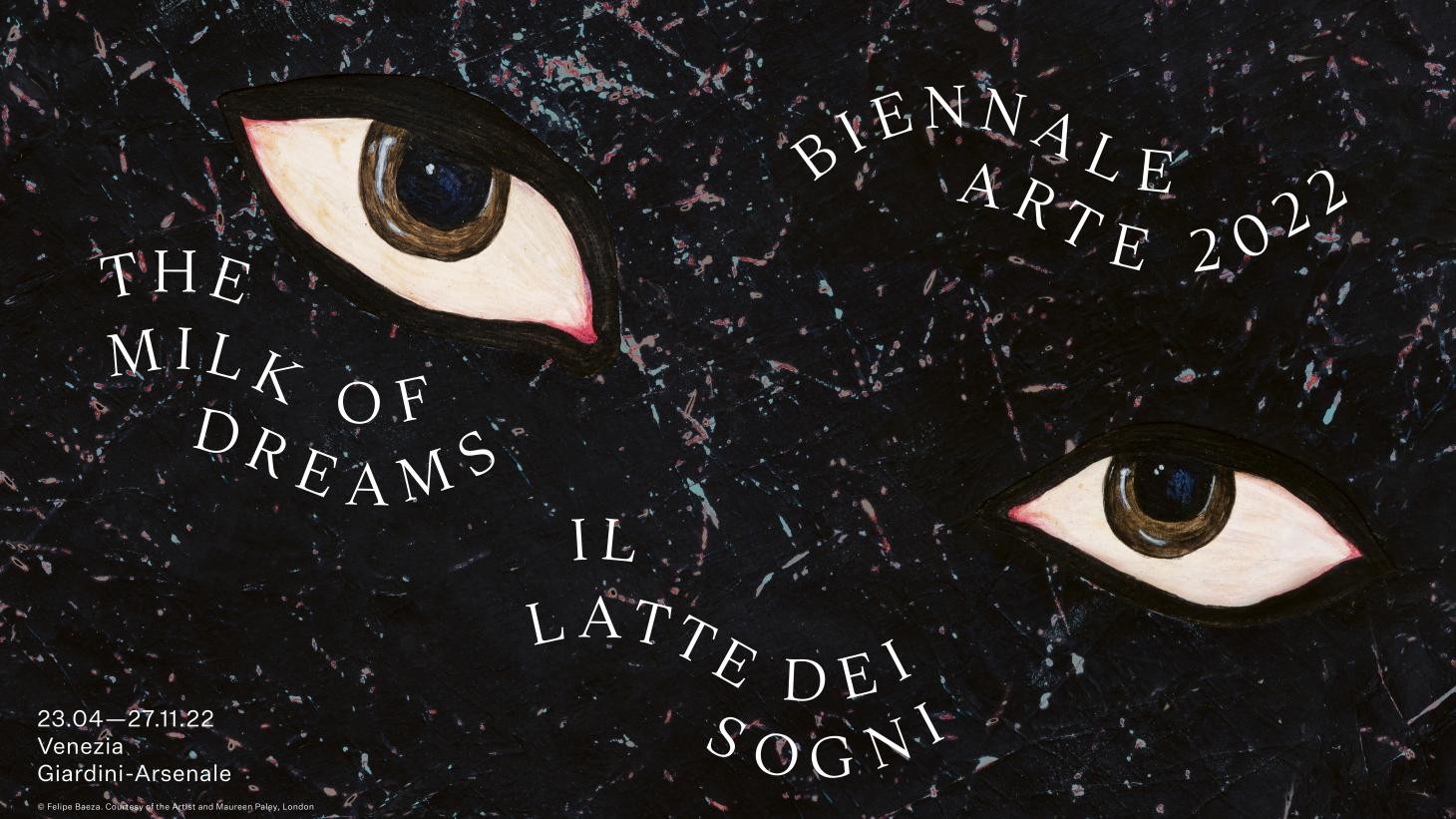
Μέσα από αυτή την άμεση αναφορά σε έναν κόσμο που τρέχει, αναδύονται ερωτήματα τα οποία έρχεται να καλύψει η ίδια η Μπιενάλε τέχνης, κάνοντας τα ερωτήματα θεματολογία της. Όπως αναφέρει η επιμελήτρια της έκθεσης, Σεσίλια Αλεμάνι, τρεις είναι οι πυρήνες της 59ης Mπιενάλε. 1. Η αναπαράσταση των σωμάτων και της μεταμόρφωσής τους, 2. Η σχέση ανθρώπινου και τεχνολογικά παραγόμενου και 3. Η σύνδεση των σωμάτων με τη γη. Πρόκειται για ένα brainstorming το οποίο προέκυψε στα χρόνια της υγειονομικής κρίσης, δεν μιλά όμως για αυτή. Όπως υπογραμμίζει η επιμελήτρια, η έκθεση σηματοδοτεί μια επιστροφή όχι στην κανονικότητα όπως αυτή ορίζεται από τις σταθερές μιας περασμένης πια πραγματικότητας, αλλά από την επιστροφή στον οραματισμό μέσω της συλλογικής προσπάθειας. Στο ξεπέρασμα και στην ανατροφοδότηση του σήμερα από μορφές τέχνης κριτικές και δημιουργικές.
Η παύση του φεστιβάλ -κοσμοϊστορικής σημασίας- τονίζει τον φετινό στόχο του για κάτι το συλλογικό, το οποίο καλείται να επαναπροσδιορίσει την ανθρώπινη αλλαγή μέσα σε ένα κόσμο επιζώντων -της πανδημίας και της κλιματικής αλλαγής. Πρόκειται για πολλαπλές εικαστικές εκδοχές που συντονίζονται σε έναν μεγάλο διάλογο περί των υποχρεώσεων των ανθρώπων απέναντι στον πλανήτη και στις άλλες μορφές ζωής που κατοικούν σε αυτόν, με τη χρήση της τεχνολογίας να αποτελεί από μέσο έκφρασης έως και προτάσεις επίλυσης. Ακόμα και το ίδιο το στήσιμο της έκθεσης αλλάζει μορφή, χρησιμοποιώντας την τεχνολογία ως μοναδική πρακτική οργάνωσης. Για πρώτη φορά, λόγω των υγειονομικών μέτρων, ο καλλιτεχνικός διευθυντής δεν μπορεί να δει από κοντά τα έργα και τους καλλιτέχνες που συμμετέχουν, αλλά αρκείται στην κρίση portlofio. Είναι λοιπόν και η ίδια η έκθεση δημιουργημένη και βασισμένη στην τεχνολογία, η οποία αποτέλεσε μοναδική λύση προκειμένου να μην χαθεί μια ακόμα χρονιά. Η Μπιενάλε τέχνης δεν είναι μια έκθεση που διηγείται την πανδημία ούτε την κλιματική κρίση, αλλά είναι σίγουρα μια από τις πιο “σύγχρονες” -με όρους τέχνης- διοργανώσεις, που αναπόφευκτα καταγράφει τις ανατροπές και της δυσκολίες της εποχής ενώ ταυτόχρονα οραματίζεται ένα μέλλον ήδη παρόν. Η 59η Μπιενάλε είναι εδώ για να καλύψει το κενό που δημιούργησε η συνεχόμενη ενασχόληση των media με την πανδημία, να διηγηθεί τα όσα χάσαμε και τα όσα έρχονται.
Συμμετοχές που διακρίναμε:
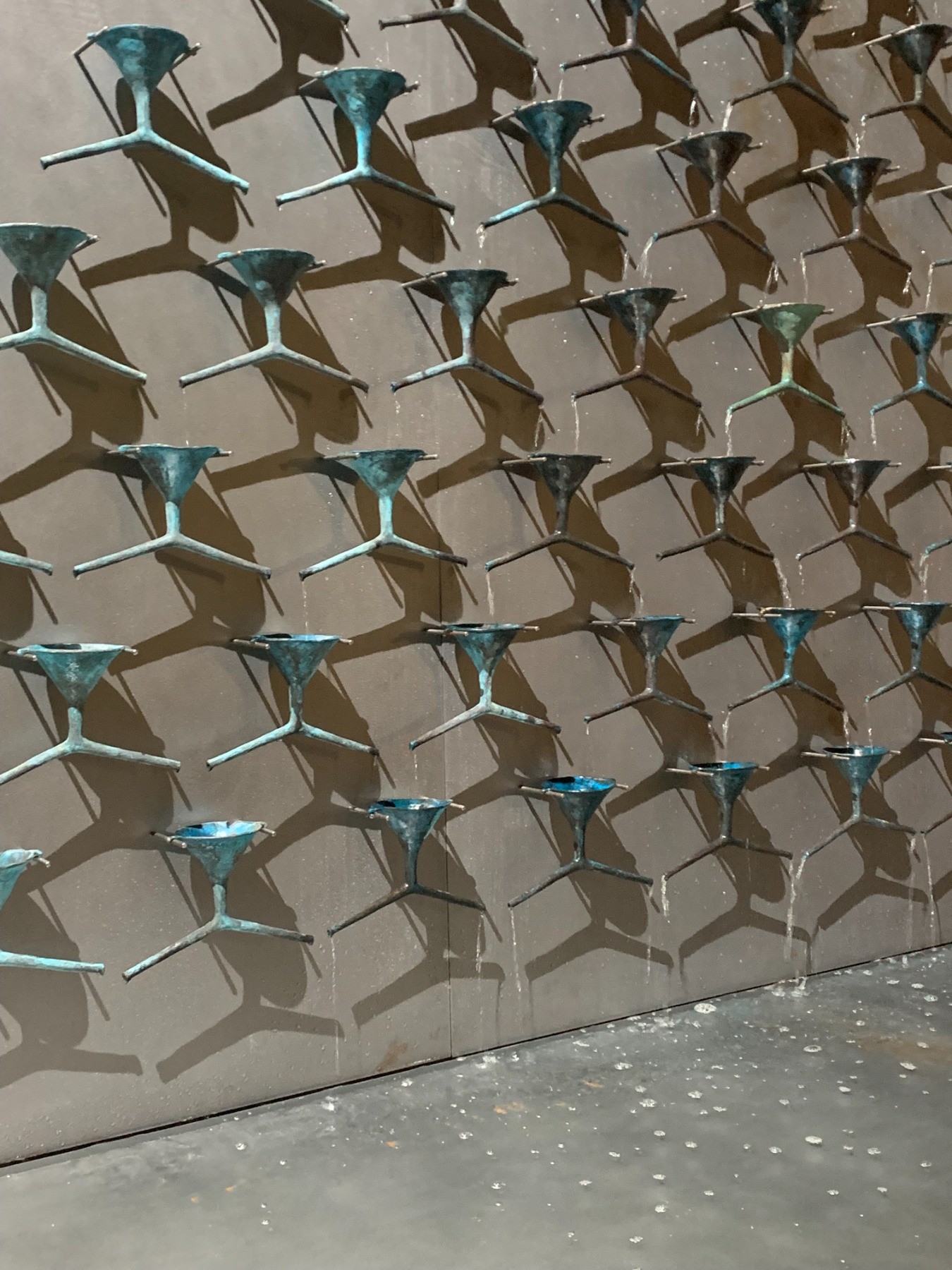
ΟΥΚΡΑΝΙΑ, The Fountain of Exhaustion. Acqua alta.
Επιμέλεια: Lizaveta German, Maria Lanko, Borys Filonenko
Καλλιτέχνης: Pavlo Makov
Πηγή εικόνας: universes.art
Η συμμετοχή της Ουκρανίας είναι διπλής σημασίας, καθώς συμμετέχει με μία εγκατάσταση-παρέμβαση στον κήπο τής Μπιενάλε με μία εξαιρετικά έντονη δομή, η οποία έχει τη μορφή σκεπής-υποστέγου. Σε συνεργασία με το Ukrainian Emergency Art Fund (UEAF), η Ουκρανή αρχιτέκτονας Dana Kosmina δημιουργεί μια εγκατάσταση που μόνο φιλόξενη δεν φαντάζει, της οποίας οι αναφορές είναι προφανείς. Στο περίπτερο του κράτους τοποθετείται ένα έργο -έρευνα- στο υδάτινο στοιχείο. Το έργο του Pavlo Makov δημιουργείται το 1995 σε μια περίοδο αστικοποίησης, από την οποία προκύπτει μια νέα σχέση μεταξύ δημοσίου χώρου και ανθρώπινου σώματος. Σε μια εγκατάσταση -αλληγορία- που περιγράφει την κίνηση των ποταμών, οι οποίοι συγκοινωνούν, ενώνονται και χωρίζονται φτιάχνοντας ένα υδάτινο δίκτυο με ίδια πηγή και διαφορετικούς προορισμούς, ο καλλιτέχνης μιλά για την κοινωνία και το μητροπολιτικό βίωμα.
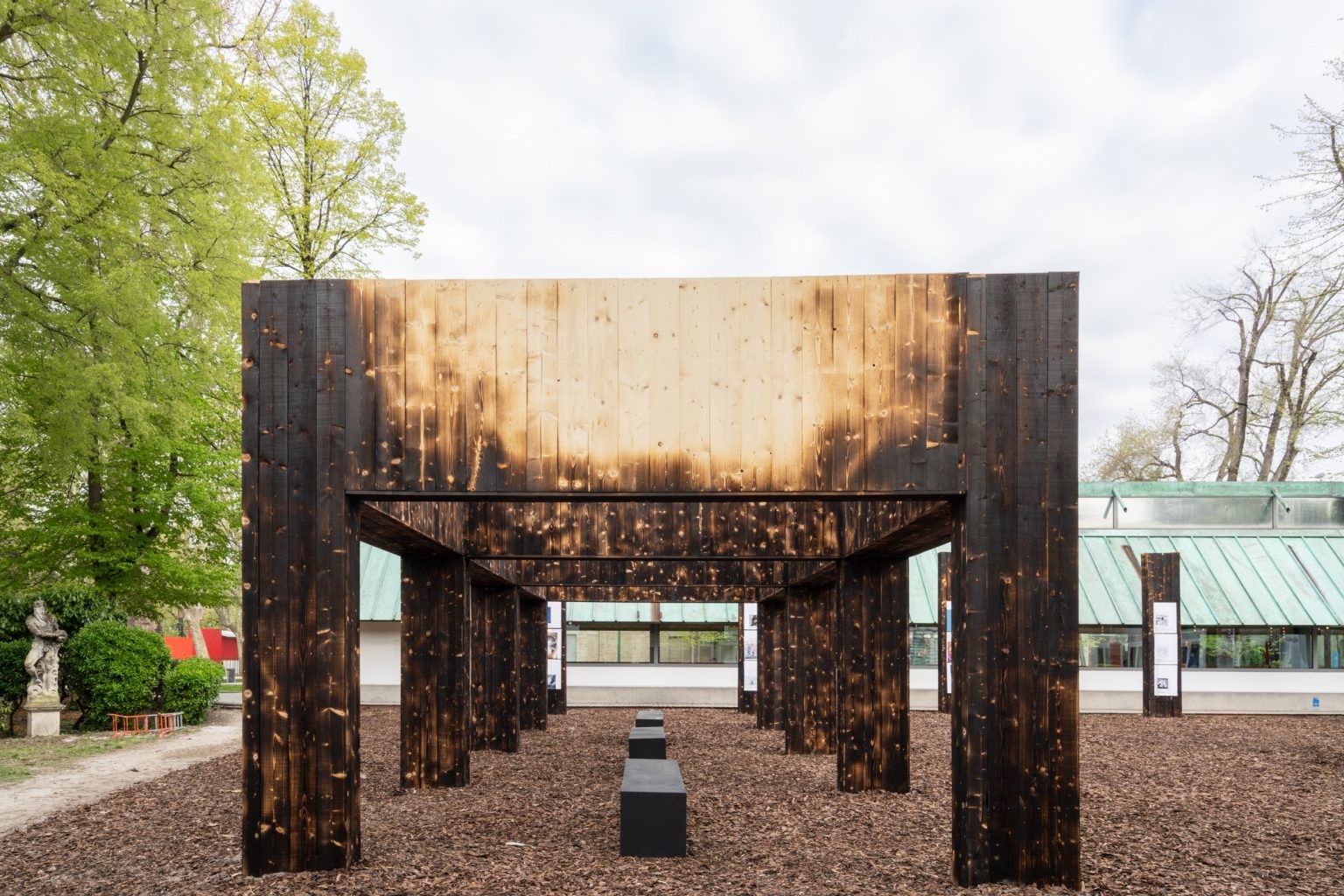
Piazza Ucraina by the Curators of the Ukrainian Pavilion Borys Filonenko, Lizaveta German, Maria Lanko | Πηγή εικόνας: elculture.gr
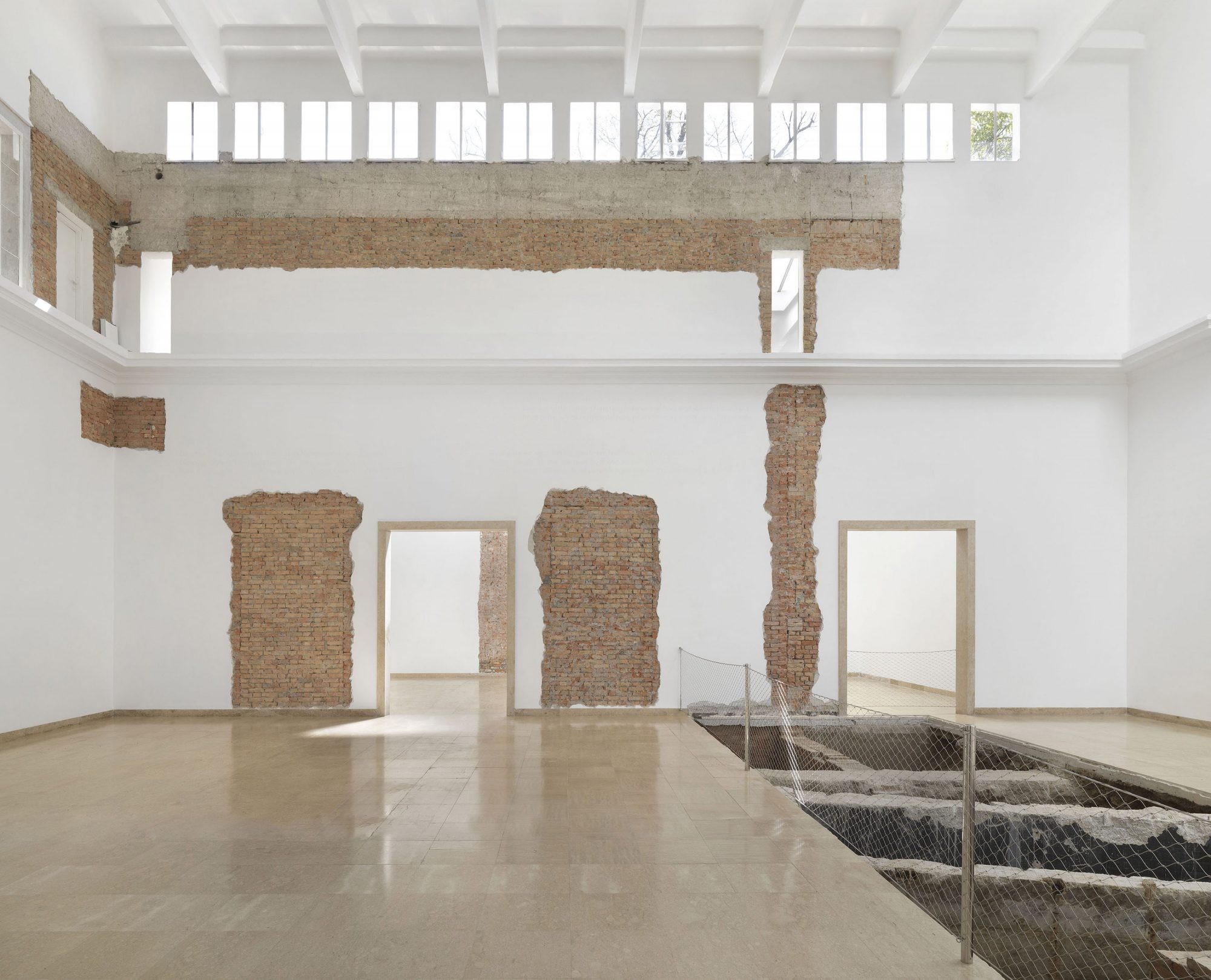
ΓΕΡΜΑΝΙΑ, Relocating a Structure
Επιμέλεια: Yilmaz Dziewior
Καλλιτέχνιδα: Maria Eichhorn
Πηγή εικόνας: news.artnet.com
Το τοποειδές έργο της Γερμανίδας καλλιτέχνιδας Eichhorn επικεντρώνεται στην ιστορία του ίδιου του γερμανικού περιπτέρου της Μπιενάλε και στην αρχιτεκτονική εξέλιξη του χώρου μέσα στα χρόνια. Το βαυαρικό περίπτερο χτίζεται το 1909 και μετονομάζεται σε γερμανικό μόλις το 1912, ενώ κατά την περίοδο του Β.Π.Π ξανασχεδιάζεται με έντονες αναφορές στη φασιστική αισθητική της εποχής. Η νέα πρόσοψη είναι επιβλητική και προκαλεί δέος με τη μεγαλειώδη “ιστορικότητα” που ενσαρκώνει. Η Eichhorn αποκαλύπτει τα θεμέλια του αρχικού περιπτέρου, προσεγγίζοντας αρχαιολογικά τις διαστρωματώσεις των τοίχων. Οι παρεμβάσεις της στο κτήριο δεν είναι παρά μια επιστροφή σε ένα προ-πολεμικό παρελθόν, η οποία συνοδεύεται από ξεναγήσεις στην πόλη σε σημεία που η ανάμνηση της αντίστασης είναι ακόμα ζωντανή, σε συνεργασία με το Istituto Veneziano per la Storia della Resistenza e della Società Contemporanea (IVESER), ενώ επίσης συνοδεύεται από performances των Nkisi και Jan St. Werner.
ΙΤΑΛΙΑ, Storia della notte e destino delle comete / History of Night and Destiny of Comets
Επιμέλεια: Eugenio Viola
Καλλιτέχνης: Gian Maria Tosatti
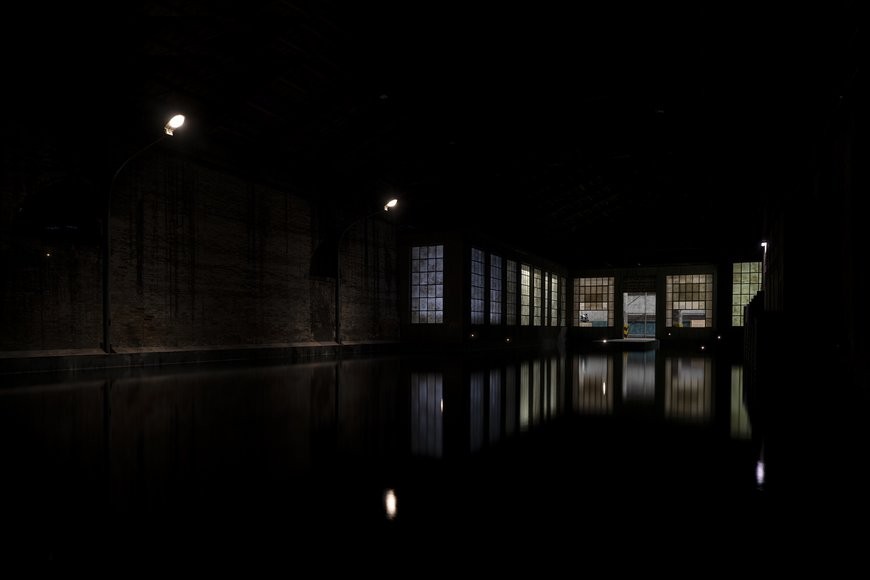
Η εγκατάσταση του Gian Maria Tosatti είναι ένα περιβάλλον το οποίο έχει πολλαπλές αναφορές σε λεξιλόγιο παρμένο από τη λογοτεχνία, τα εικαστικά, την performance και το θέατρο. Κυρίως αφορά τη σχέση του ανθρώπου με τη φύση και το στοιχείο, τη δυσκολία εξισορρόπησης μεταξύ τεχνητού και φυσικού, ονειρικού και πραγματικού, καθώς επίσης και παρελθόντος και παρόντος, ενώ γίνεται έντονη αναφορά στη μεταπολεμική Ιταλία της δεκαετίας του ‘60 και της ξαφνικής εκβιομηχάνισης, κατοίκησης και δόμησης των αστικών κέντρων, ακυρώνοντας το μέχρι τότε υπάρχον τοπίο. Η εγκατεστημένη πλατφόρμα εκλαμβάνεται ως αναφορά στο διάσημο έργο του Caspar David Friedrich “Μοναχός στη Θάλασσα”, της περιόδου του ρομαντισμού. Στην περίπτωση της εγκατάστασης, ο θεατής μπορεί να αναλογιστεί όπως ο μοναχός τη σχέση του με το φυσικό τοπίο, καθώς και τη σχέση ηθικής και κέρδους σε σχέση με την εκμετάλλευση του υπολειπόμενου φυσικού πλούτου, όπως πχ του πετρελαίου. Το έργο τού Tosatti είναι μια επιφοίτηση που κοιτάζει σε ένα απώτατο παρελθόν, ή σε ένα ύστατο μέλλον όπου η κατοίκηση του πλανήτη δεν είναι δεδομένη.
ΜΑΛΤΑ, Diplomazija Astuta
Επιμέλεια: Keith Sciberras, Jeffrey Uslip
Καλλιτέχνες: Arcangelo Sassolino, Giuseppe Schembri Bonaci, Brian Schembri

Πηγή εικόνας: malta.italiani.it
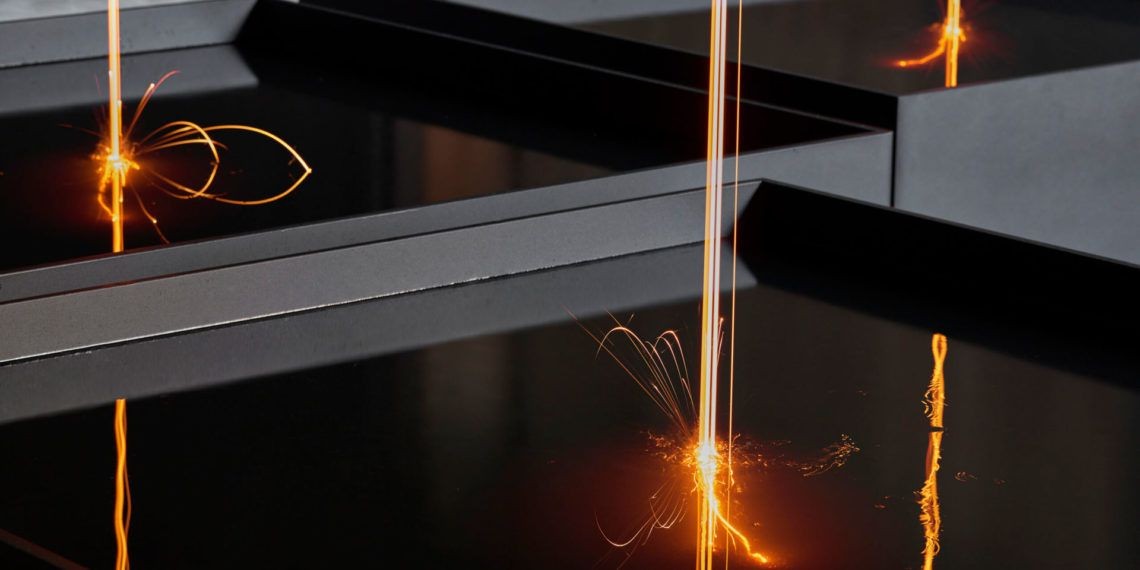
Η εγκατάσταση στο περίπτερο της Μάλτας επεξεργάζεται αφαιρετικά ένα από τα μεγαλύτερα κειμήλια τέχνης του νησιού, το διάσημο έργο βωμού του Καραβάτζιο “Ο αποκεφαλισμός του Ιωάννη”. Με τη χρήση σύγχρονων-βιομηχανικών υλικών, εγκαθίσταται ένα κινητό γλυπτό το οποίο μιμείται την κίνηση της πτώσης του κεφαλιού μετά τον αποκεφαλισμό του. Μέσω της τεχνολογίας, μικρές σταγόνες λιωμένου χάλυβα πέφτουν από τον “ουρανό” σε επτά ορθογώνιες δεξαμενές γεμάτες με νερό, καθεμία από τις οποίες αντιπροσωπεύει ένα θέμα του Αποκεφαλισμού. Το έργο προσπαθεί, με αφορμή ένα κλασικό και φαινομενικά ξεπερασμένο “έργο τέχνης”, να δημιουργήσει έναν διάλογο μεταξύ της τέχνης αλλά και των παλαιών και νέων φόβων και προβληματισμών της ανθρωπότητας. Το μαρτύριο του Αγίου Ιωάννη μοιάζει εδώ να είναι αναφορά στην κλιματική αλλαγή, στον πόλεμο και στα δεινά της ανθρωπότητας, εξιστορημένα μέσα από την παλέτα ενός ξεπερασμένου εικαστικού ιδιώματος.
ΑΙΓΥΠΤΟΣ, Eden-Like Garden
Επιμέλεια: Mohamed Shoukry
Καλλιτέχνες: Mohamed Shoukry, Weaam El Masry, Ahmed El Shaer
Πηγή εικόνας: vimeo.com
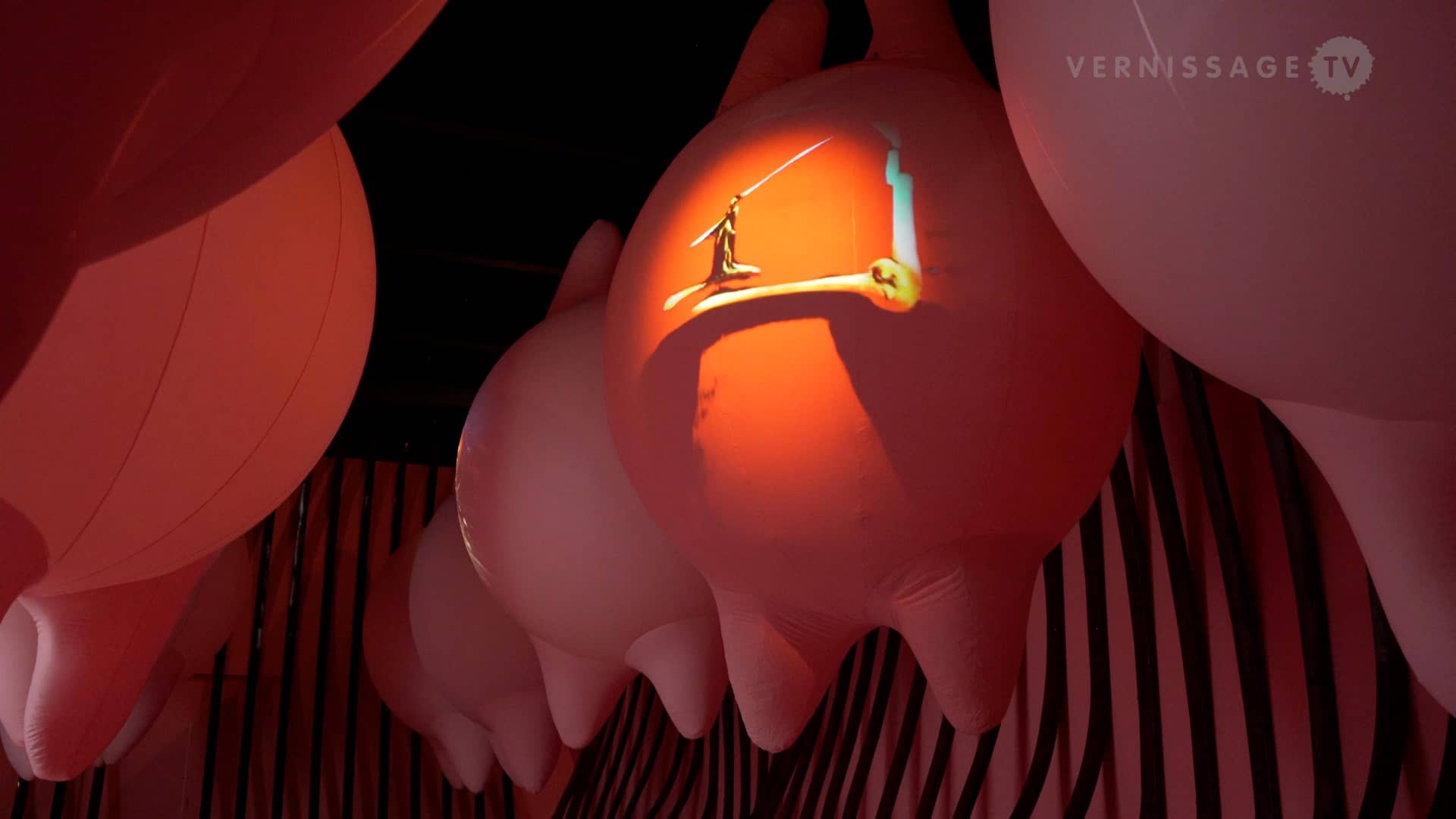
Το έργο των Mohamed Shoukry, Weaam El Masry και Ahmed El Shaer είναι μια ποπ μεταφορά της Γης της Επαγγελίας. Μια εγκατάσταση που μιλά για τη γoνιμότητα και την ηθική. Μέσα από μια έντονη απεικόνιση του καθιερωμένα “ιερού” γεγονότος της μητρότητας, γίνεται πιθανά λόγος για τη βεβήλωση και για τον αναγκαίο πια επαναπροσδιορισμό των συμβόλων που αφορούν τη γονιμοποίηση, καθώς επίσης και για την απενοχοποίηση και αποϊεροποίηση της μητρότητας, κάνοντας χρήση μιας δραματικής και υπερβολικής γλώσσας. Πρόκειται για ένα σκεπτικιστικό έργο που αφορά την αιώνια μάχη φυσικού, αναγκαίου και αποτροπαϊκού της ανθρώπινης φύσης, τοποθετημένο σε ένα περιβάλλον που αφορά τη “συνεκτική ταυτότητα μιας διχασμένης φύσης”, όπως αναγράφεται και στο υποστηρικτικό κείμενο του έργου.
Further Reading:
https://www.labiennale.org/it/arte/2022/grecia
https://www.labiennale.org/en/art/2022/59th-exhibition
https://www.labiennale.org/it/arte/2022/malta
https://www.labiennale.org/it/arte/2022/egitto
https://www.labiennale.org/it/arte/2022/germania
https://www.labiennale.org/it/arte/2022/italia
https://www.labiennale.org/it/arte/2022/ucraina
https://www.notteecomete.it/progetto/
https://www.platformarchitecture.it/it/storia-della-notte-e-destino-delle-comete/
.jpg)