Alexandra Daisy Ginsberg: Αν το design υπάρχει για να δίνει λύσεις, μπορεί μήπως να σώσει τον κόσμο;
DS.WRITER:
Sophia Throuvala
Πηγή Κεντρικής Εικόνας: daisyginsberg.com
Η Alexandra Daisy Ginsberg είναι μια ιδιαίτερη περίπτωση εικαστικού-designer, που με την ακαδημαϊκή της έρευνα αξιώνει να δείξει πως το design μπορεί να σχηματίσει ένα καλύτερο -αν και ακόμα δυσοίωνο- μέλλον. H Γκίνσμπεργκ μας κέντρισε την προσοχή κυρίως επειδή βρίσκει μοναδικούς τρόπους αφήγησης και επεξεργασίας της πραγματικότητας, κυρίως με τη βοήθεια της τεχνολογίας και της βιοϊατρικής στην τέχνη και στον σχεδιασμό. Τα περισσότερα έργα της χρησιμοποιούν ένα λεξιλόγιο ουτοπικό ή δυστοπικό, εγείροντας προβληματισμούς και πιθανές λύσεις πάνω σε σύγχρονα ή μελλοντικά ζητήματα που αφορούν τη ζωή (φυτική, ζωική και ανθρώπινη) στη Γη αλλά και σε άλλους πλανήτες, συζητώντας πιο οικολογικές εκδοχές ύπαρξης. Επίκεντρο της δουλειάς της είναι ο πειραματισμός και η έρευνα πάνω σε ζητήματα μιας νέου τύπου φύσης, που αγγίζει τα όρια μεταξύ επιστήμης και επιστημονικής φαντασίας. Τα όρια αυτά λειτουργούν ως νύξη και καυστικό σχόλιο πάνω στην έννοια της επιβίωσης, της διαιώνισης και της βιώσιμης συμπεριφοράς μας απέναντι στο περιβάλλον -όποιο κι αν είναι αυτό.
Ένα από τα πρώτα της πρότζεκτ που είχαν μια πιο εργαστηριακή μορφή ήταν το E. chromi, μια πρωταρχική εκδοχή των όσων ακολούθησαν. Η συνεργασία καλλιτέχνη-σχεδιαστή και επιστημονικού επιτελείου από τον κλάδο της συνθετικής βιολογίας, απέδωσε ένα ολόφρεσκο χρωματολόγιο, αόρατο στο γυμνό μάτι, μέσα από τη γενετική επεξεργασία βακτηρίων.
Πηγή Εικόνας: daisyginsberg.com
Αντίστοιχα, στο πρότζεκτ The Synthetic Kingdom: A Natural History of the Synthetic Future, η Ginsberg εξετάζει τον πειραματισμό τής συνθετικής βιολογίας πάνω στη φύση, και στον στόχο της πρώτης για απόλυτο έλεγχο της δεύτερης. Μιλώντας για την αξία της Συνθετικής Μόλυνσης (synthetic infection), μιας υπο-πιθανότητας λάθους/διαρροής από εργαστήρια που μελετούν και αναπτύσσουν “αρπακτικά βακτήρια” με σκοπό την εξάλειψη των ασθενειών, κάνει λόγο για την παράδοση του ανθρώπινου σώματος στην επιστήμη ή εν προκειμένω την τέχνη. Σύμφωνα με τους “κανόνες” της συνθετικής βιολογίας, μπορούμε δυνητικά να επιλέξουμε ένα χαρακτηριστικό από έναν υπάρχοντα οργανισμό οικειοποιούμενοι το DNA του, προκειμένου να δημιουργήσουμε εξ ολοκλήρου τεχνητές μορφές ζωής που θα είναι σε θέση να υπάρχουν αλλά και να ελέγχονται. Το βασικό ερώτημα που η Γκίνσμπεργκ θέτει με τα πρότζεκτ αυτά, είναι το αν θα υποβαθμίζαμε έτσι την αίσθηση του εαυτού μας, εφόσον η ζωή μας θα μπορούσε να απλοποιηθεί σε μοριακές αλληλεπιδράσεις, και το κατά πόσο αξίζει αυτός ο συμβιβασμός, με αφορμή τη συνθετική βιολογία και όλα όσα αυτή έχει να μας προσφέρει.
Πηγή Εικόνας: tentacular.es
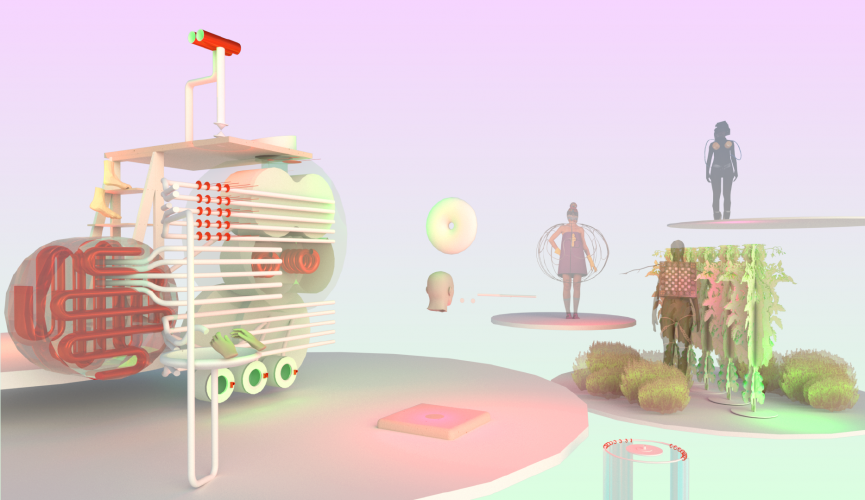
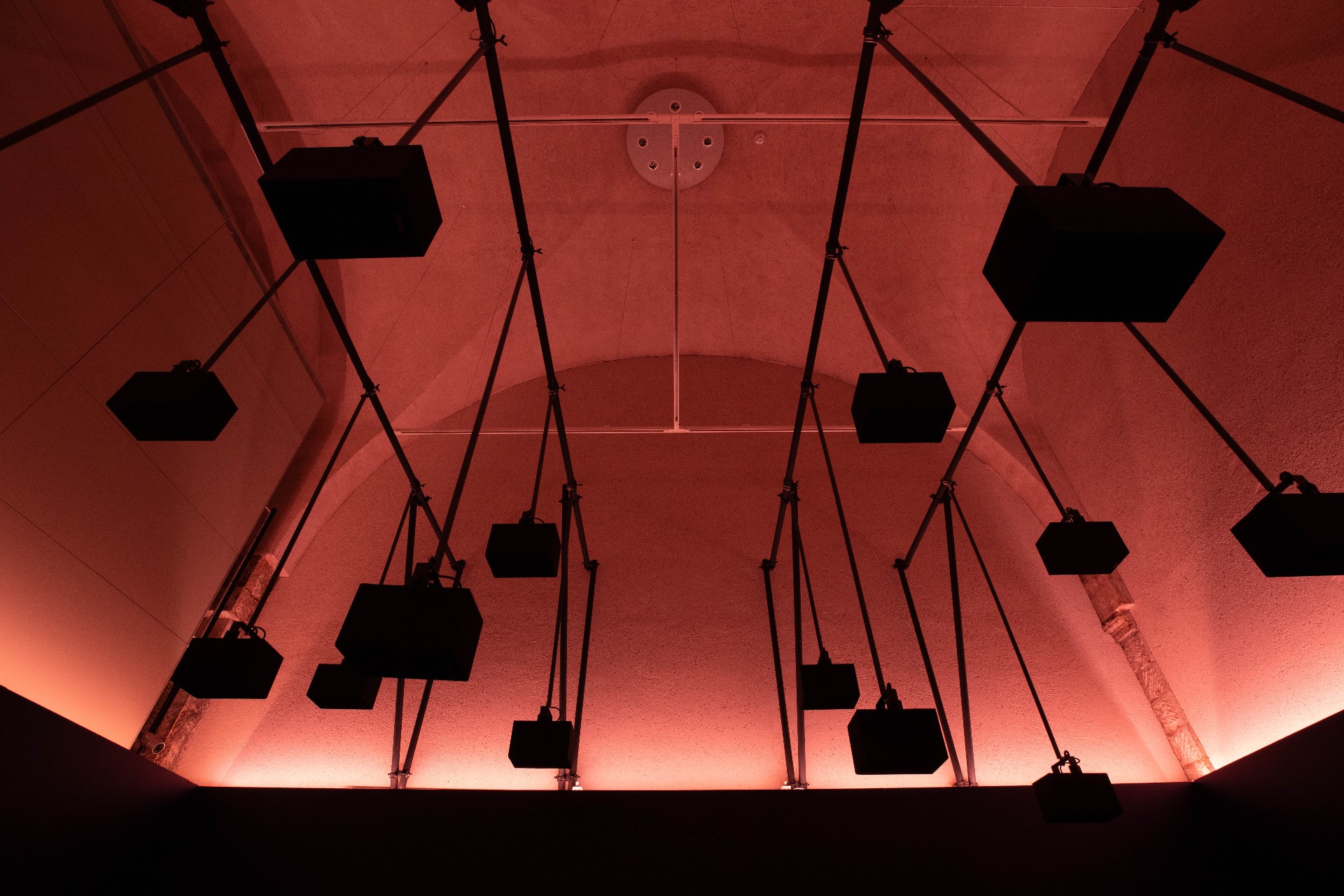
Σε επόμενα πρότζεκτ της, η Γκίνσμπεργκ ασχολείται με την εξερεύνηση του διαστήματος και με το ότι το design είναι μια από τις δημιουργικές βιομηχανίες που καλείται να βρει λύσεις. Παίρνοντας ως παράδειγμα τη διατροφή των αστροναυτών και τις συνθήκες διατήρησης των βρώσιμων εντός του αεροσκάφους, προτείνει την αντικατάσταση της φωτοσύνθεσης με ηλεκτροσύνθεση. Στόχος είναι η αντικατάσταση της τυπικής γεωργίας και των επίγειων αναγκών της, από πεδία επιστημονικά που δεν εξαρτώνται πια από τη συμπεριφορά ενός ή παραπάνω πλανητών στις εποχικές συνθήκες και τις σχέσεις τους με τον Ήλιο. Έτσι, η καλλιτέχνις στο Seasons of the Void προτείνει ταυτόχρονα την παραγωγή φρούτων στο διάστημα, α) για τους αστροναύτες και β) για την “εξαγωγή” και πώλησή τους στη Γη, προάγοντας το ερώτημα, αν τα Γενετικά Μεταλλαγμένα προϊόντα -φτιαγμένα από επανασχεδιασμένη μαγιά και ηλεκτρισμό- που προέρχονται από το διάστημα, χρήζουν άλλης αντιμετώπισης από εκείνα στη γη.
Πηγή Εικόνας: designcurial.com
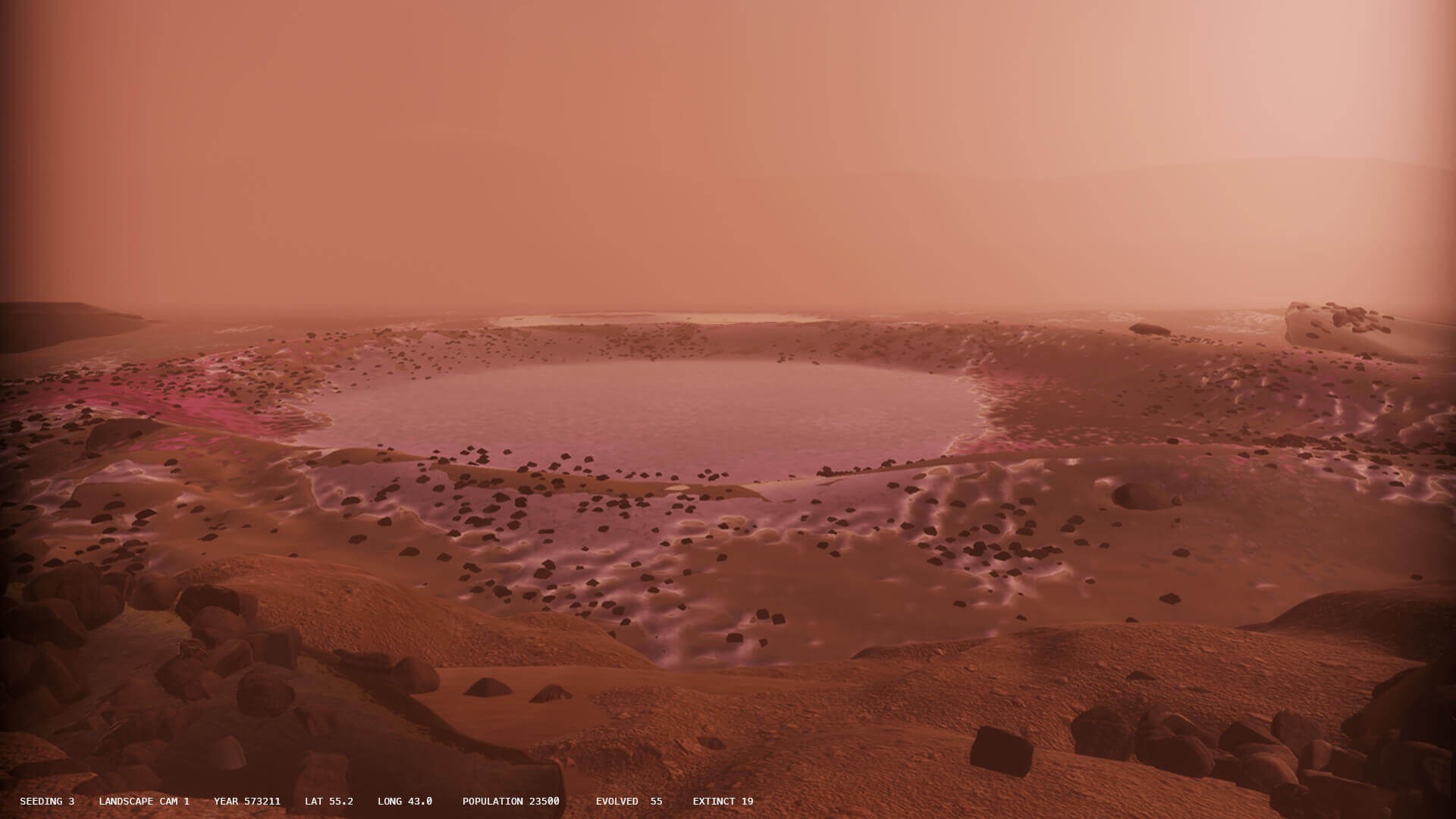
Στη βιντεο-εγκατάσταση The Wilding of Mars του 2019, η Γκίνσμπεργκ ασχολείται με την αποίκηση στον Άρη. Το πράγματι πρωτοποριακό θέμα του έργου αναπτύσσει τη σχέση ανθρώπου-φύσης, στα πλαίσια μιας επιβίωσης και μιας μετανάστευσης. Θα μπορούσαμε να αποικίσουμε έναν άλλο πλανήτη, εν προκειμένω τον Άρη, με βότανα και φυτά αλλά όχι ανθρώπους; Θα μπορούσαμε να χρησιμοποιήσουμε τις παρθένες συνθήκες ενός πλανήτη και τον χώρο που αυτός προσφέρει, αναπτύσσοντας μια ζωή που είναι μεν αλληλένδετη με τη δική μας ζωή και επιβίωση, αλλά δεν είμαστε εμείς; Όπως αναρωτιέται η ίδια η Γκίνσμπεργκ, “Might leaving the planet to other life forms be the ultimate unnatural act for humans? Can we imagine Mars except as a place for ourselves?”
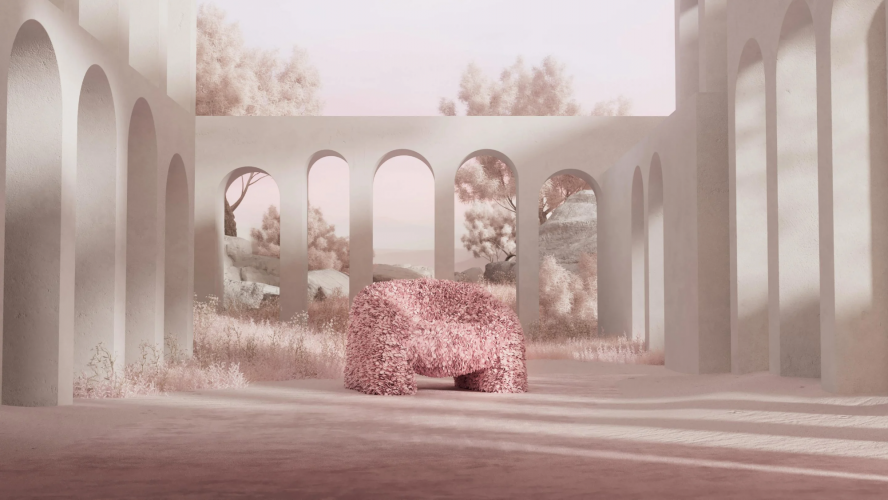
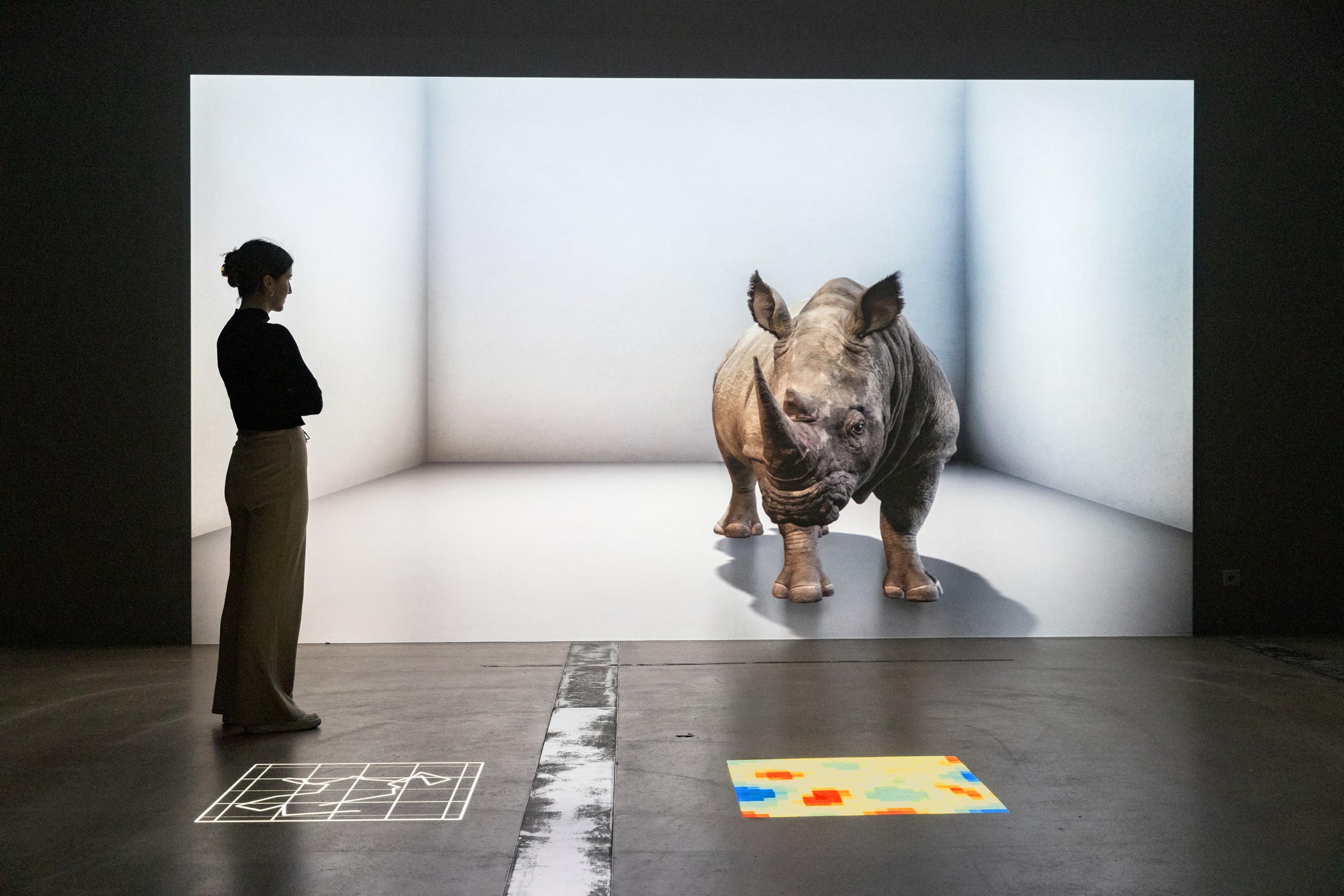
Η σχέση της Γκίνσμπεργκ με τα φυτά και τα ζώα και την έννοια της επιβίωσης, αλλά και τη σύγχρονη “αρχαιολογία” των πρόσφατα χαμένων ειδών, αφορά και τα τελευταία της πρότζεκτ. Το The Substitute είναι μια κραυγή για την παράδοξη μέριμνα που δείχνουμε στην κατασκευή νέων μορφών ζωής, ενώ παραμελούμε τις υπάρχουσες. Το έργο δημιουργήθηκε με αφορμή τον πρόσφατο αφανισμό του τελευταίου βόρειου λευκού ρινόκερου, τον οποίο η Γκίνσμπεργκ ξαναζωντανεύει με τη χρήση τεχνητής νοημοσύνης (ΑΙ) σαν ειρωνικό σχόλιο στη μουσειοποίηση ως λύση ενάντια στον αφανισμό.
Πηγή Εικόνας: pollinator pathmaker - Sophia Throuvala | pollinator.art
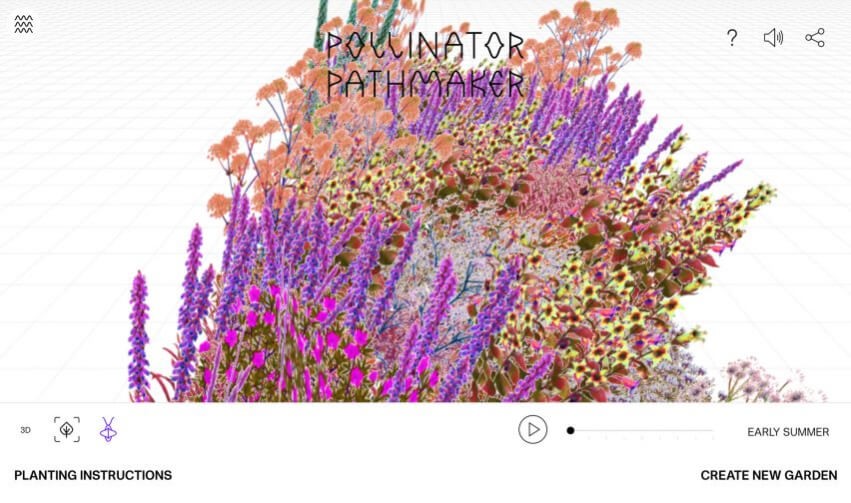
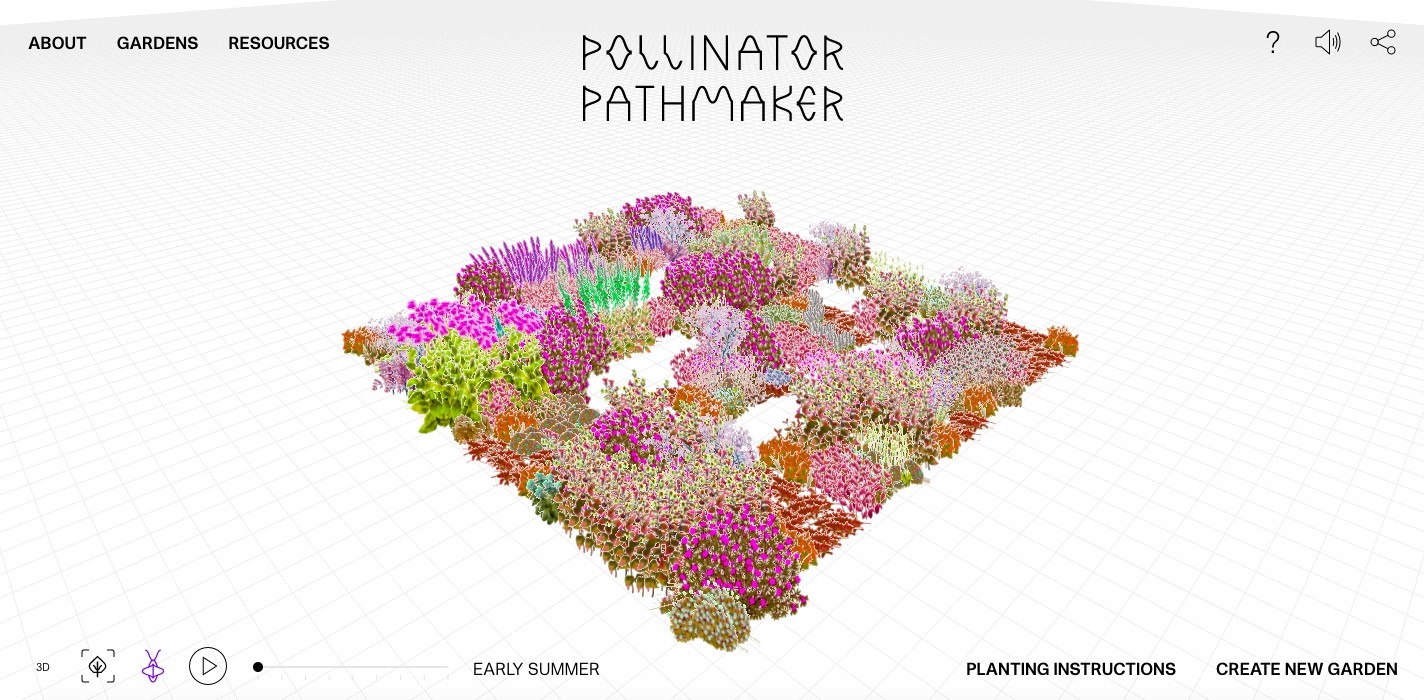
Το τελευταίο της έργο, το pollinator.art, είναι ένας αλγοριθμικός κήπος. Συγκεκριμένα πρόκειται για ένα απολύτως δωρεάν προσβάσιμο design tool website, στο οποίο μπορεί κανείς να σχεδιάσει κήπους μικρούς ή μεγάλους, ώστε να γίνουν ξενιστές εντόμων-επικονιαστών, όπως είναι οι μέλισσες, οι πεταλούδες, οι σκόροι, οι σφήκες, τα σκαθάρια κ.α -απαραίτητοι παράγοντες για την αναπαραγωγή πολλών φυτικών ειδών και την άνθηση των οικοσυστημάτων σε έναν υπερθετικό βαθμό. Η ανθρωπογενής παρουσία, τα φυτοφάρμακα, τα χωροκατακτητικά είδη-εργαλεία και η κλιματική αλλαγή, προκαλούν τρομακτική μείωση στους πληθυσμούς των επικονιαστών σε όλο τον κόσμο. Το Pollinator Pathmaker Edition, ως μια δωρεάν ΑΙ μακέτα, μπορεί να προτείνει την ιδανική φύτευση βάσει των συνθηκών εδάφους και της ατμόσφαιρας, των κλιματικών αλλαγών και των γενικότερων “γεωργικών” αναγκών, εξατομικευμένα και εφαρμόσιμα σε κάθε κήπο. Το site σε ενημερώνει για τις επιστημονικές ονομασίες των φυτών και τα έντομα που φιλοξενεί το καθένα από αυτά, με στόχο να ευαισθητοποιηθεί όλο και μεγαλύτερο μέρος του πληθυσμού και να υλοποιηθούν πράγματι τέτοιοι κήποι με τη χρήση του ψηφιακού κήπου ως χάρτη. Οι πρώτοι κήποι Pollinator Pathmaker Edition -μια μόνιμη εγκατάσταση 55 μέτρων στο Eden Project στην Κορνουάλη και έντεκα ελικοειδή παρτέρια στους κήπους Kensington του Λονδίνου, που ανέθεσε η Serpentine- είναι πλέον ανοιχτοί στο κοινό, με περισσότερους κήπους μεγάλης κλίμακας να αναμένονται.