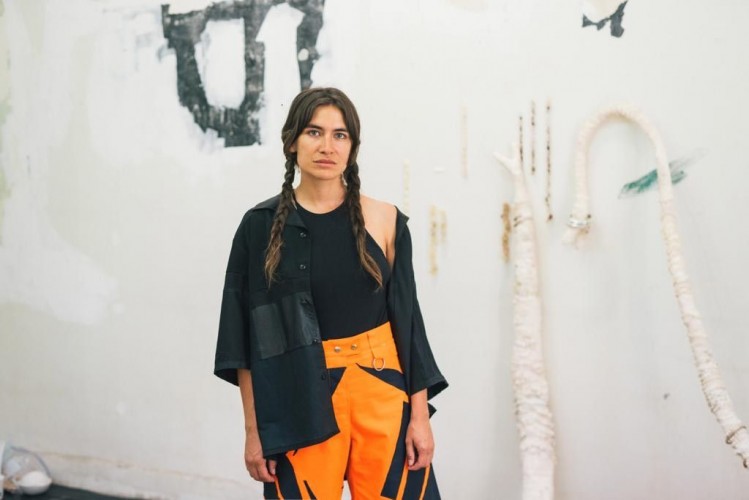
Ilias Lefas talks about on-site cabinetmaking and more
DS.WRITER:
Vasilis Xifaras
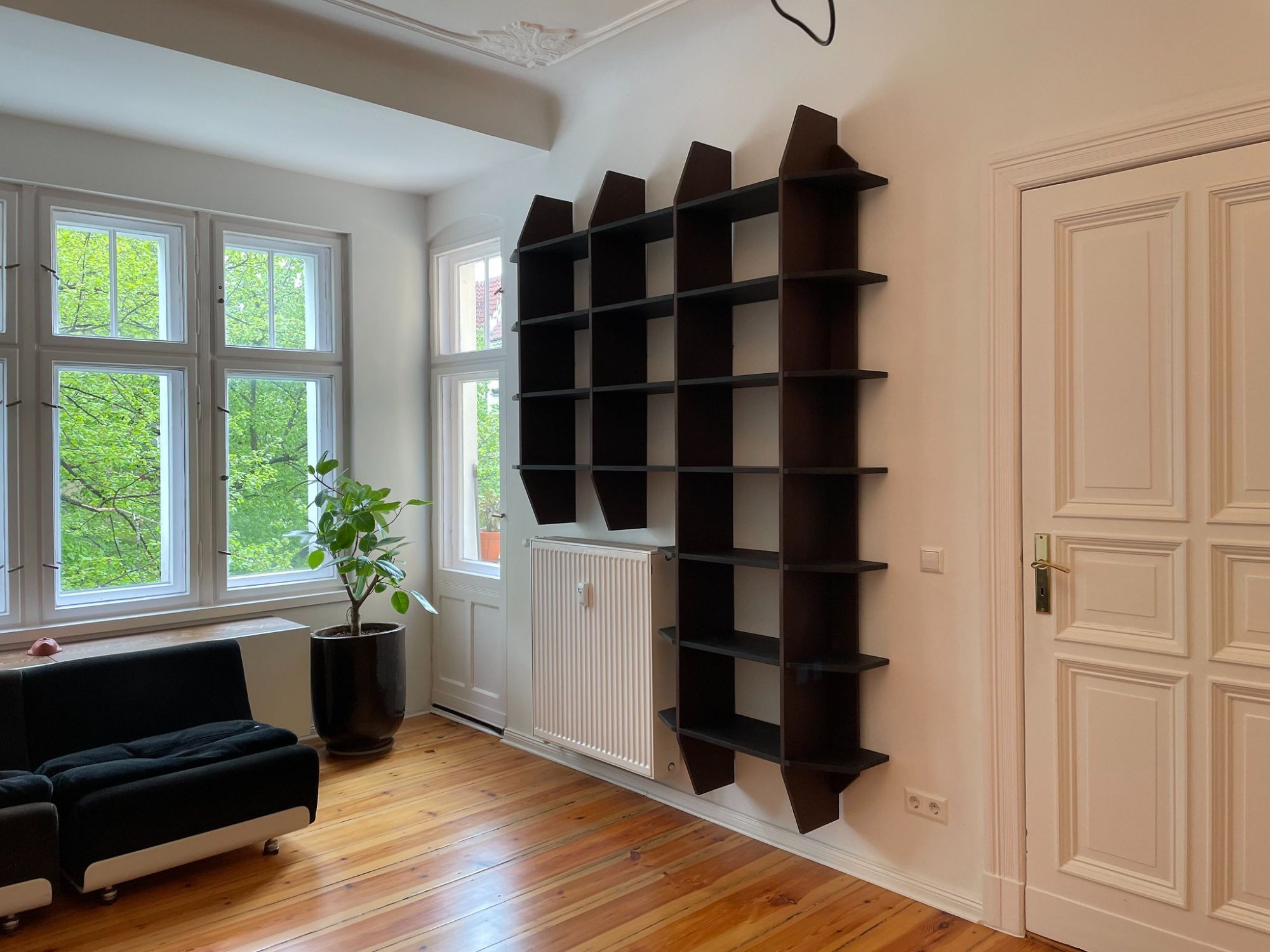
A compilation of different aspects can make an interior design special: the furniture design, the selection of materials, the construction method, even the assembly. Ilias Lefas has explored all these aspects in a specific furniture category, which is none other than cabinets. These necessary-for-any-room objects take up much space, and thus need to be resourcefully designed. But before dealing with cabinet design, Ilias Lefas had studied illustration at the European Institute of Design as well as painting and sculpture at the Brera Academy of Fine Arts in Milan, while working in between as an assistant at Mauro Mori and Wunderkammer Studio. Now he lives in Berlin and creates pieces for individual clients, companies and exhibitions all around Europe, constantly putting his knowledge and ideas to the test, while taking into account specific characteristics during the design process, such as the local climate and the availability of materials.
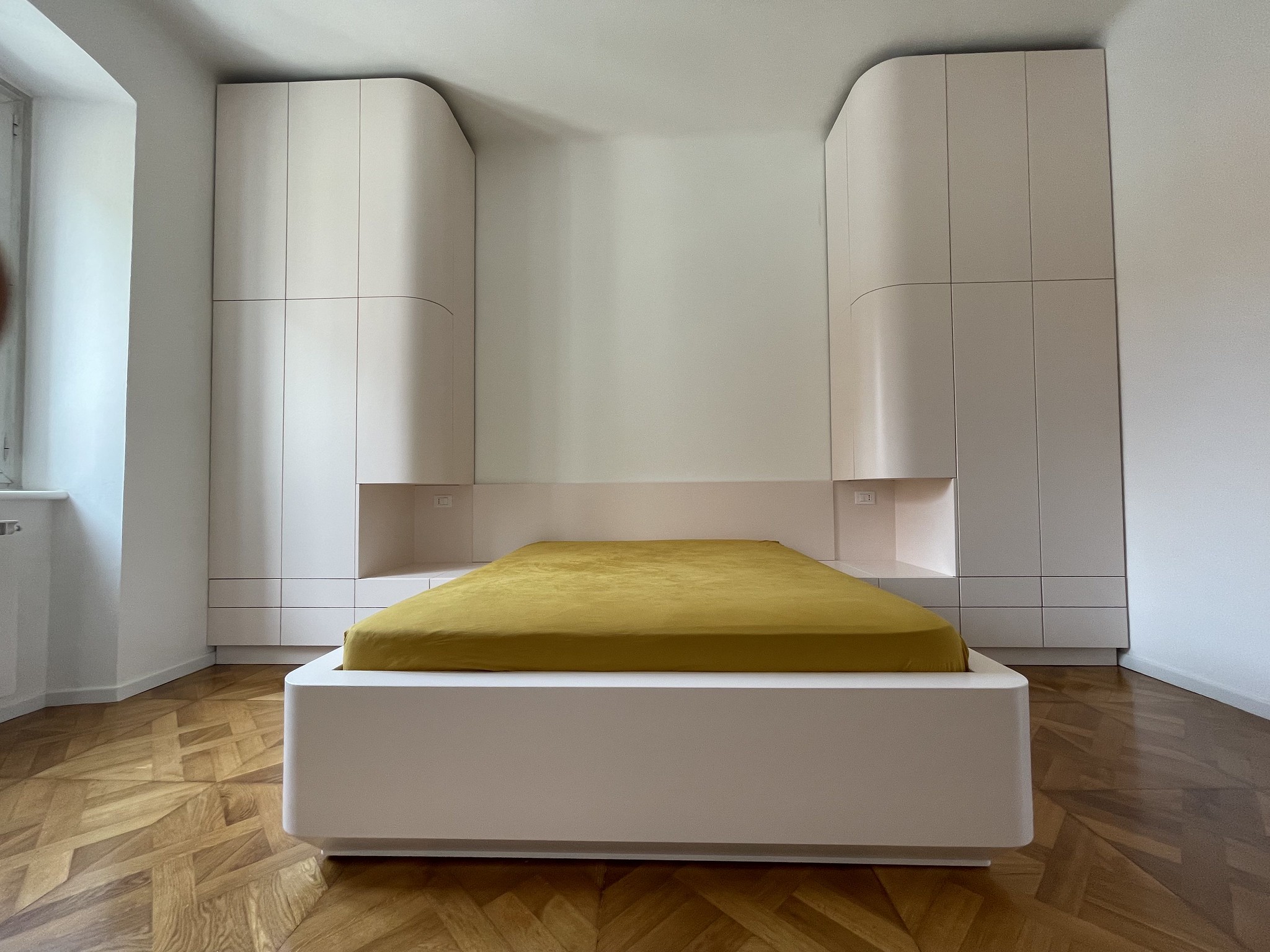
His creations, from cabinets to console tables, wardrobes, bookshelves or even DJ booths, are in tune with their surroundings, with simple shapes that offer ample storage space, using a single material such as wood or copper. The designs for each object are mostly hand-drawn, and the construction takes place both on site (for the past 14 years) and at Ilias’ brand new studio.
We spoke to Ilias to find out more about his unique designs.
What is a cabinet to you? What difference can this piece of furniture make in interior design?
I think of the cabinet, just as with any other furniture I create, as a humble servant. Furniture should be present but their presence should almost feel unnoticed when moving around them as they remain unused. I try to improve a space through my work, but not in a spectacular way. The proportions used are found in the existing space, in a way that the objects can blend in with their surroundings. I also think of the cabinet as a base for pieces of art or other objects that may express the character of the client and make the space warmer (a sort of atlas that holds up the earth).
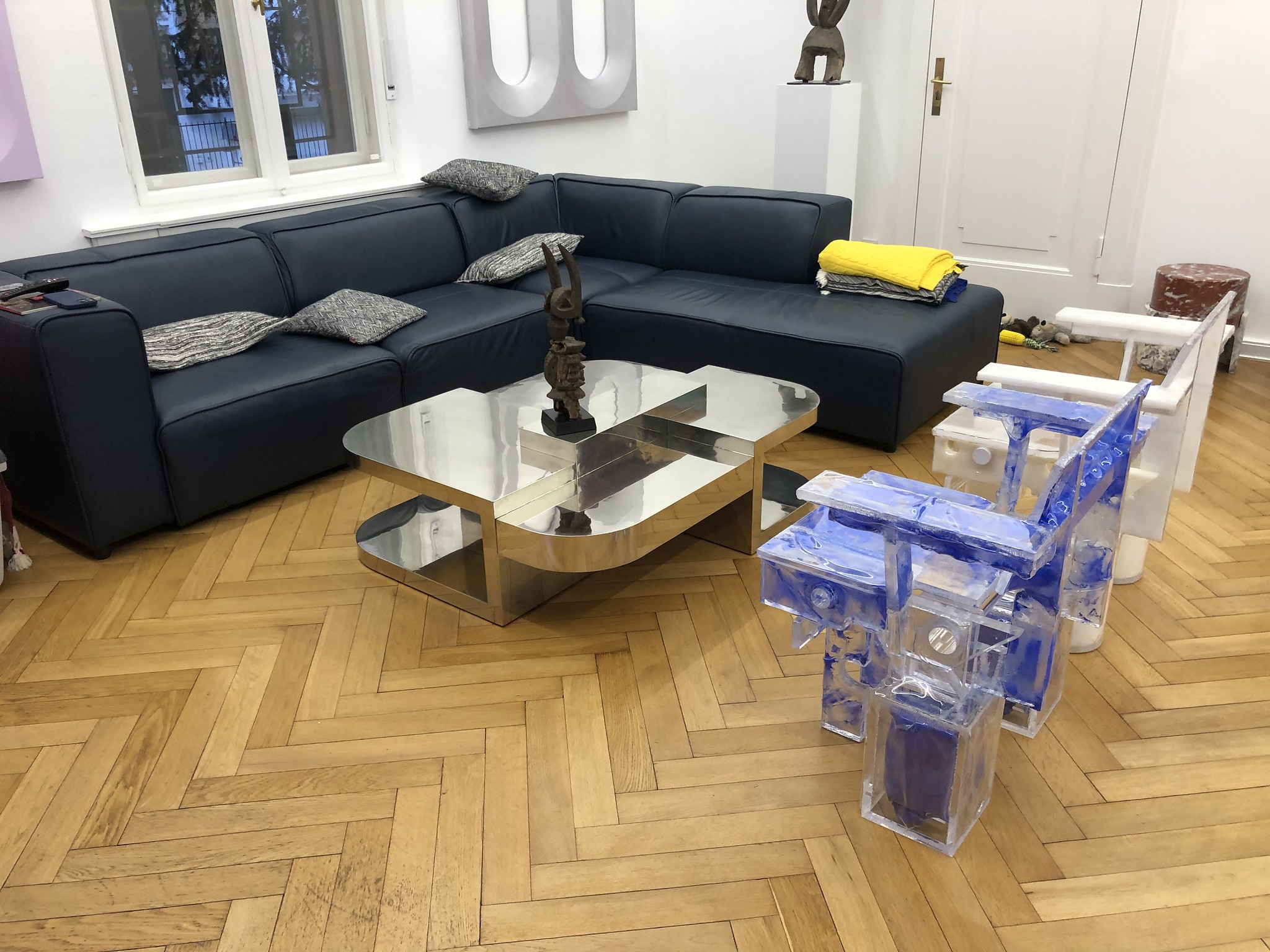
Coffee Table for Frauenstr. 6. Described by Ilias Lefas as a luxury item with which he satisfied his desire for a sculptural approach.
How do you approach a client to fulfill his/her vision but at the same time maintain your distinctive design language?
First of all, the client and I need to get along well even though there might be differences in the approach of the design. The time needed to transfer or construct the furniture allows me to get to know their habits, their way of thinking and the way they use the space. I do not impose my ideas on the clients as they are the ones who will have to use the furniture for many years. It is always interesting to try to make the right compromises without betraying your principles. Suggestions and ideas proposed by the clients are always welcome because I often end up making things I would have never considered in the first place and in this way I broaden my horizons and keep my mind open, something that is very important to me.
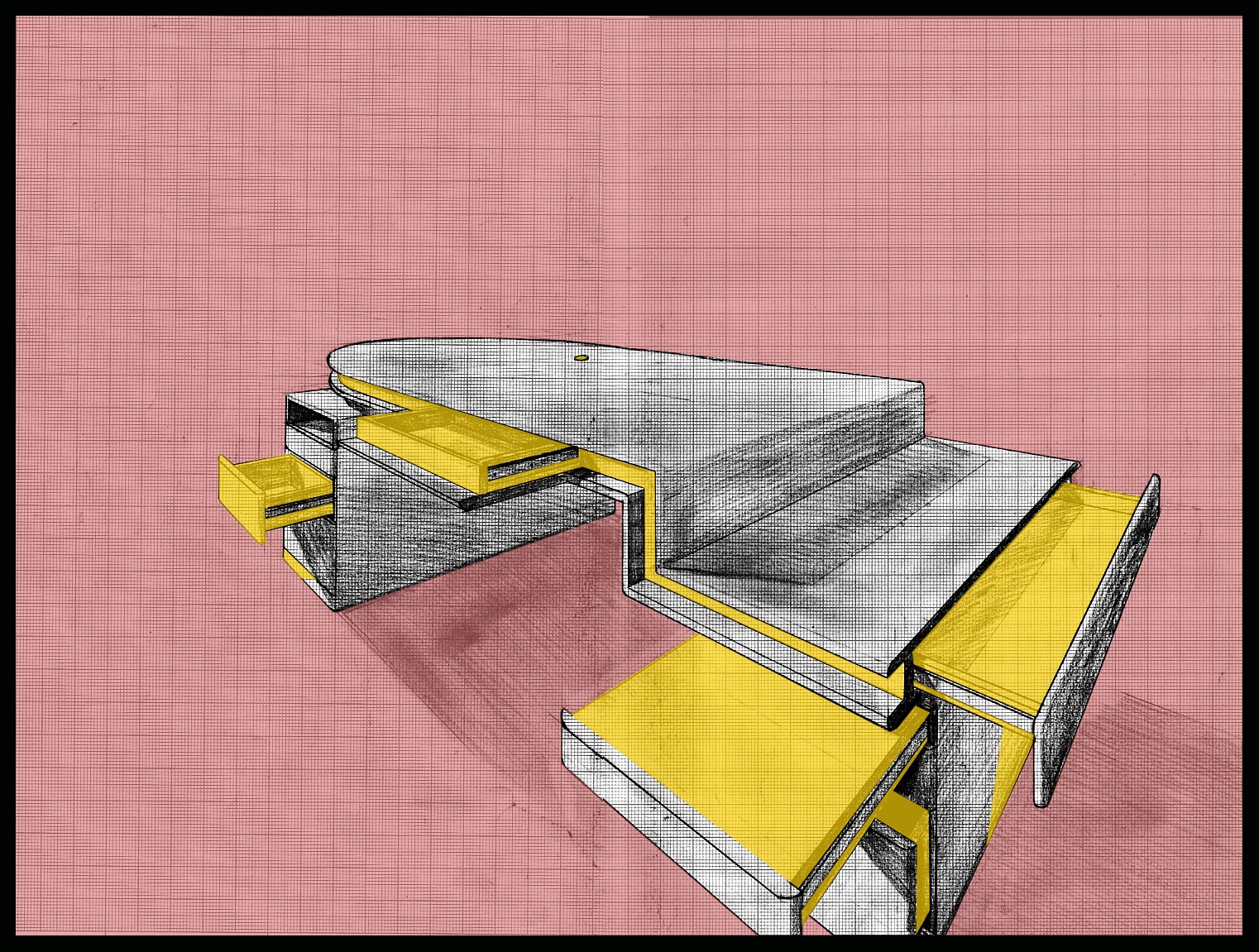
Scrivania for Via del Orso 14. This 1,5m long desk features a variety of storage spaces, while creating different shapes with each rotation.
So far, which projects are your favorite? Tell us more about them.
That is always a hard question. I love cinema but how could I choose a favorite movie? There are plenty of them, all for different reasons.
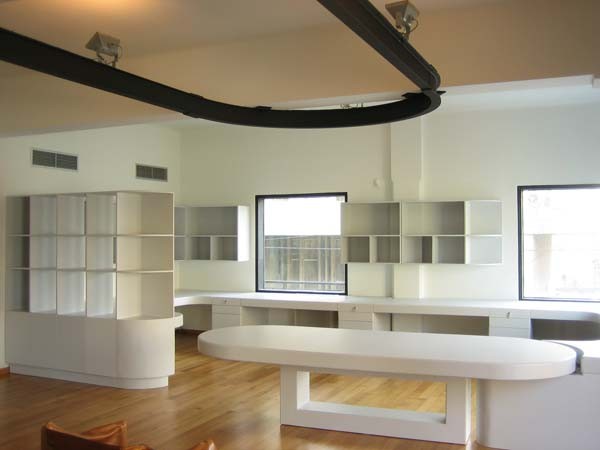
The black table, initially made for the offices of the Breeder gallery in Athens, had to fulfil the needs of three different people, with different habits (like conflicting organisational habits), sitting together all day long. So, I decided to make three separate tables that could be joined to form a single working area. What I also like about this table is that it’s like an evolved version of other tables I have designed in the past.
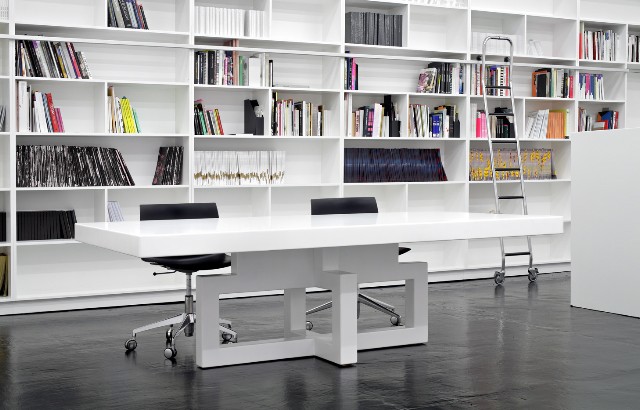
When asked by Caputo and Luca Martinazzoli to participate at a show for the opening of their design gallery called Plusdesign, I proposed a limited production of “Table to Join”, a table that transmits unity and strength with the shape of its base and the circular table top, a design that I kept transforming and adapting to new tables. I managed to make it easier to produce, while adding a rotating mechanism for the tabletop, and moreover I made a lower version of it, which can serve as a coffee table.
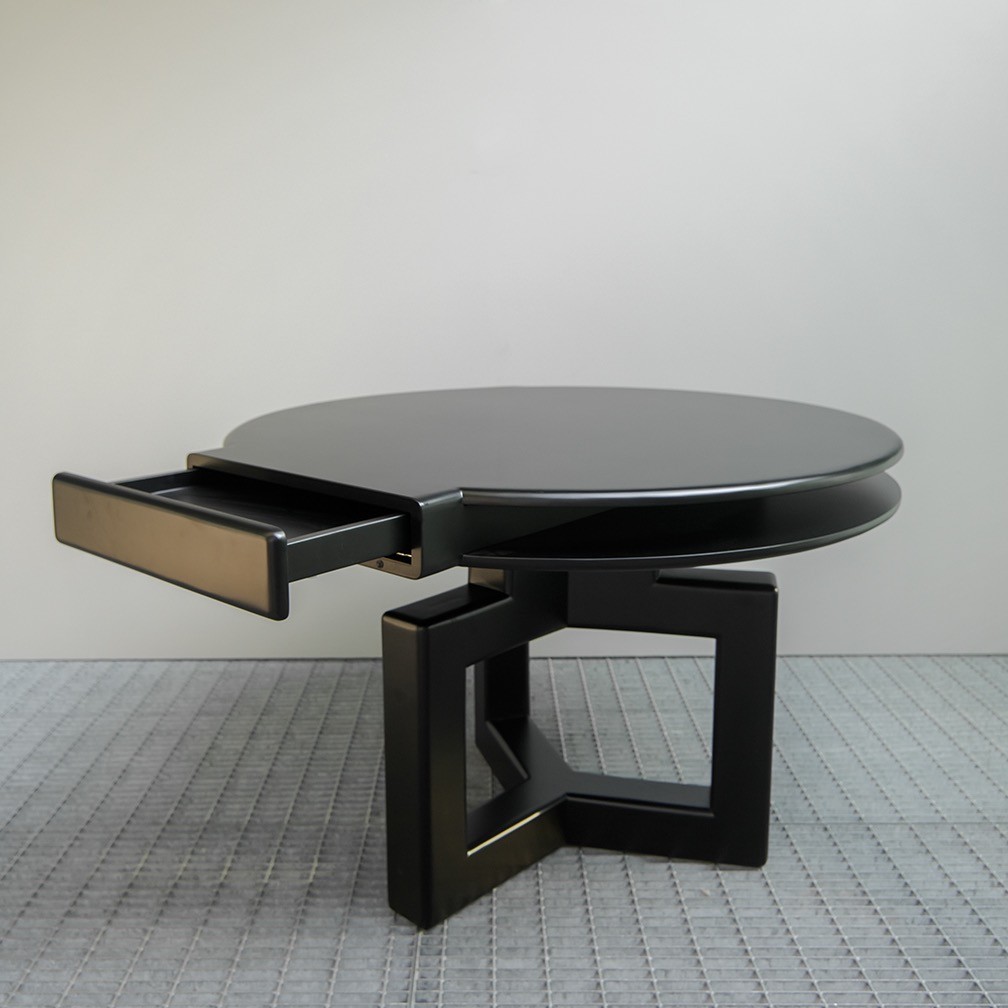
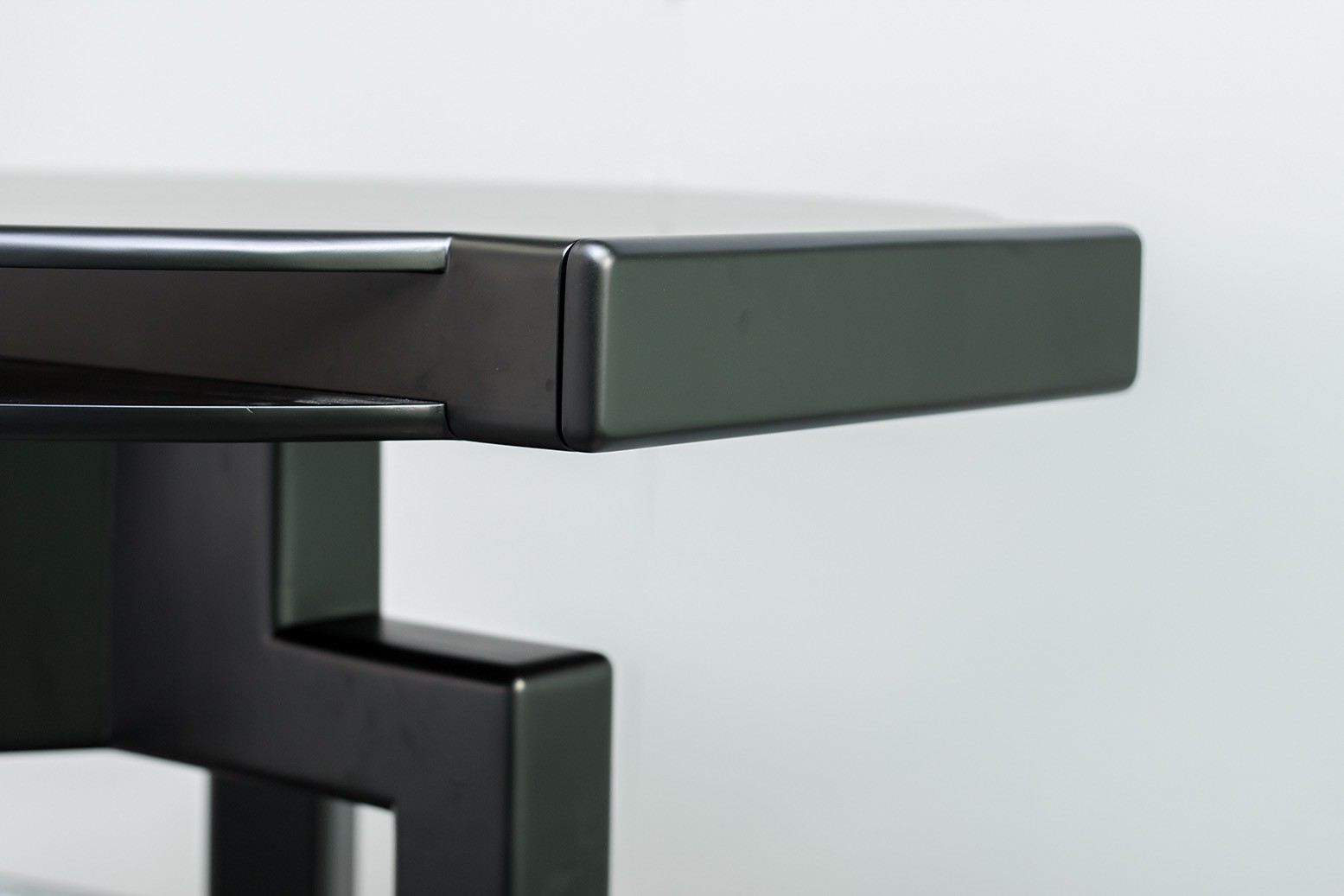
“Table to Join” for the exhibition “Fire Walk with Me”, Milan Design Week 2015 for plusdesign
Tell us about an upcoming project. What should we expect from you in the future?
Although I started my career by designing and building desks for office spaces, I ended up making home furniture, where designing a desk is a more personal procedure. Some time ago, I had a conversation with an architect who used to design unique pieces of furniture. We concluded that it’s a pity to keep an idea trapped in a single object, when at the same time it could enter many people’s homes if it were mass-produced, improving their lives. This is the main purpose of what design means to me. So, in the future I hope I will have the chance to design (most likely for an existing brand) a collection of objects that can be mass-produced while I continue working on my unique items.
Thanks Ilias Lefas for this interesting discussion.
.jpg)
.jpg)
.jpg)