



5 Design Books που προτείνουμε για τις γιορτές
DS.WRITER:
Dimitris Antonakos
Πηγή κεντρικής εικόνας: designersreviewofbooks.com
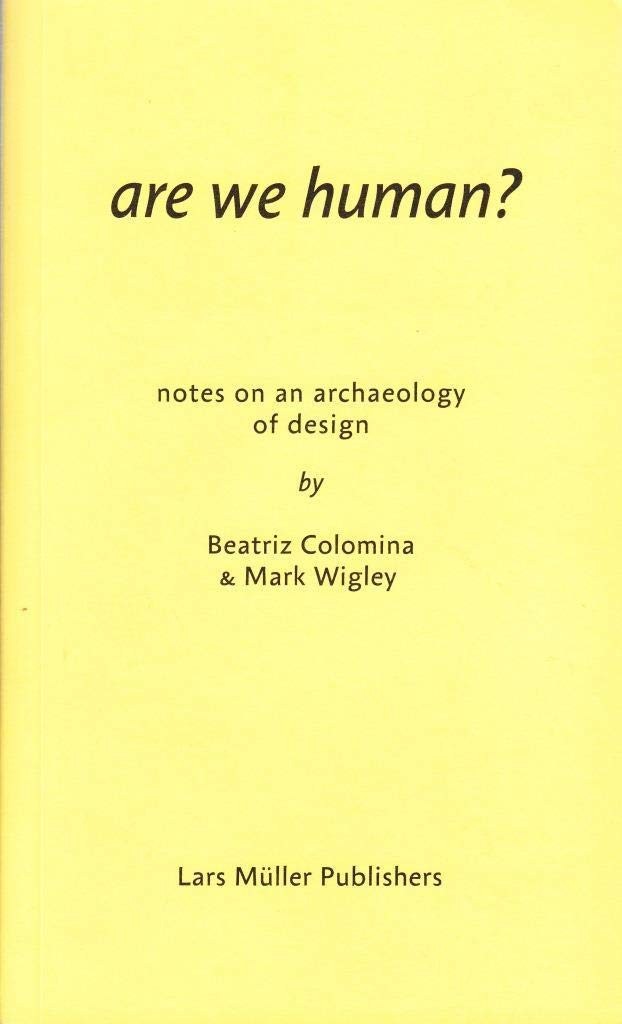
1. “Are We Human? Notes on an archaeology of design”, 2016, Β. Colomina and M. Wigley
Οι εδραιωμένοι θεωρητικοί του design και της αρχιτεκτονικής και επιμελητές της 3ης Biennale Design της Ισταμπούλ, Colomina και Wigley, κάνουν μια ενδοσκόπηση στη δυναμική επαφή του ανθρώπου με το design. Το βιβλίο αυτό εξερευνά τη σχέση ανθρώπου και design. Αυστηρά το δεύτερο θεωρείται πως υπάρχει για να εξυπηρετεί τον άνθρωπο. Η άποψη των συγγραφέων είναι πως μάλλον το design καλείται να αναδημιουργεί τον κόσμο και κατά συνέπεια τον άνθρωπο, προδιαγράφοντας για αυτόν το μέλλον. Αυτό το βιβλίο λειτουργεί ως μια κειμενική συλλογή, με τη συμμετοχή πάνω από εβδομήντα πέντε αρχιτεκτόνων, σχεδιαστών, καλλιτεχνών, αρχαιολόγων, ιστορικών και επιστημόνων, οι οποίοι ανταποκρίνονται στο ζήτημα της ιστορίας της ανθρώπινης εξέλιξης, υπονοώντας πως το design και ο οραματισμός ενός παρόντος πάντοτε διαφορετικού, παράγει νέες εκδοχές καθημερινότητας.
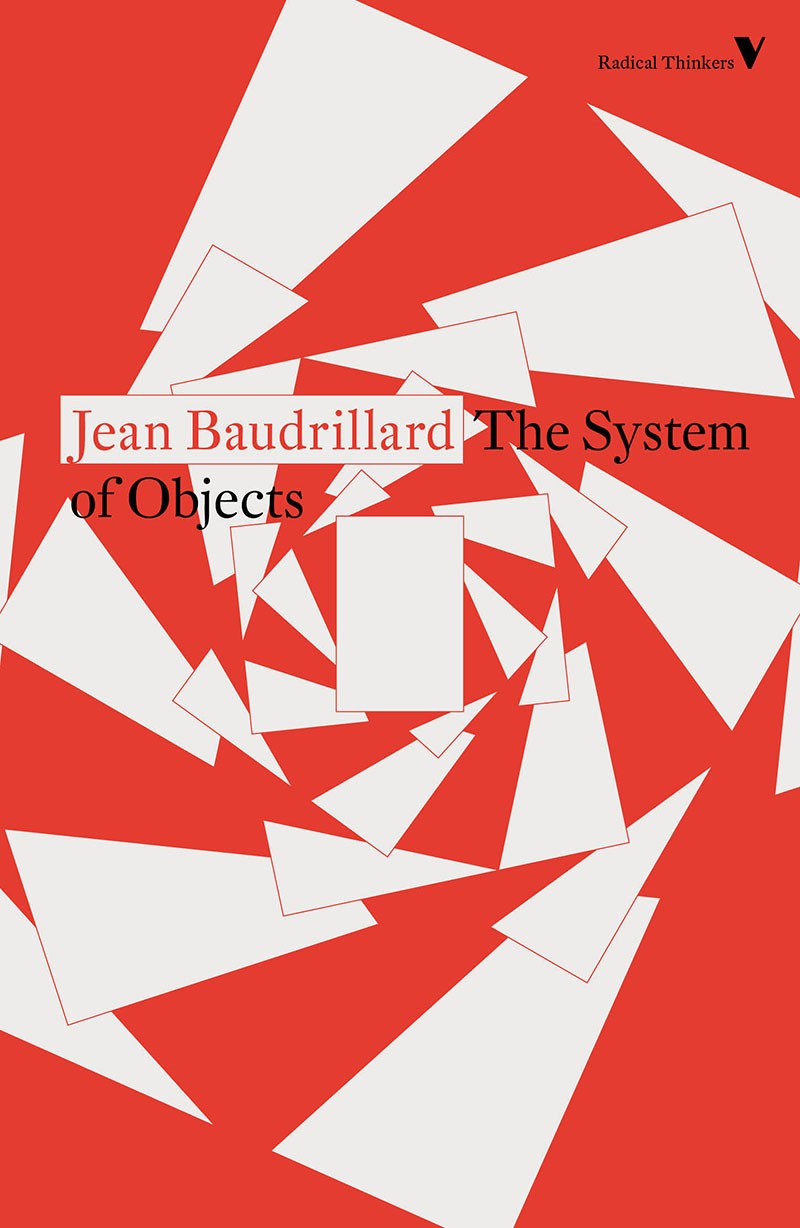
2. “The System of Objects”, 1968 Jean Baudrillard
Ο Γάλλος διανοούμενος Baudrillard, βαθιά απογοητευμένος από τα γεγονότα του Μάη του 1968, την αποτυχία της κοινωνικής επανάστασης και τον ταυτόχρονο θρίαμβο του καπιταλισμού, γράφει το βιβλίο «Το σύστημα των αντικειμένων». Η επιθυμία για κατανάλωση και κοινωνική σταθερότητα ήταν πιο ισχυρή από την επιθυμία για μεταρρύθμιση και επανάσταση. Ο Μποντριγιάρ με το βιβλίο του κάνει μια μεταμοντέρνα κριτική, χωρίς να επιτίθεται μόνο στην οικονομία αλλά και στον πολιτισμό που παρήγαγε. Έχοντας ως πνευματικούς μέντορες τον κοινωνιολόγο Ανρί Λεφέμπρ και τον σημειολόγο Ρολάν Μπαρτ, έδωσε αιχμηρούς, ειρωνικούς χαρακτηρισμούς σε αντικείμενα της σύγχρονης καθημερινής ζωής. Στο βιβλίο αυτό, τα αντικείμενα οργανώνονται σε συστήματα σημασιοδότησης, που με τη σειρά τους αναλύονται σε: 1. μη λειτουργικά αντικείμενα, 2. λειτουργικά αντικείμενα και 3. μεταλειτουργικά αντικείμενα. Στο έργο του αυτό εμπλέκει θεωρίες τού Ferdinand de Saussure για τα σημάδια και του Sigmund Freud σε σχέση με την ψυχολογία, με στόχο να εκθέσει το κρυφό νόημα των αντικειμένων της καθημερινότητας, αντιπαραβάλλοντας τη λειτουργία και δυσλειτουργία τους με τη γλώσσα σε ένα σύστημα χρήσης και αχρηστίας.
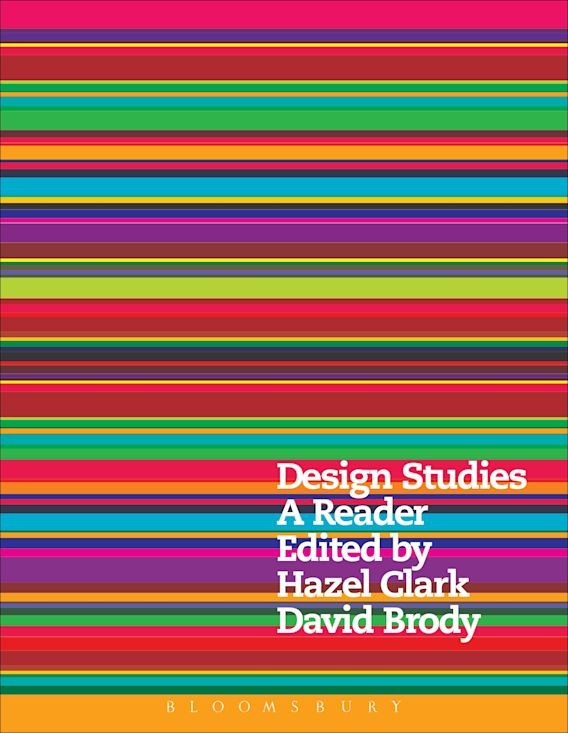
3. “Design Studies”, 2009, H. Clark , D. Brody
Πρόκειται για το βασικότερο εγχειρίδιο εισαγωγής στον κόσμο και την ιστορία του design. Ο τόμος διαθέτει πάνω από 70 δοκίμια πάνω στη μελέτη του σύγχρονου design, του ρόλου του, της διαδικασίας δημιουργίας του, της έννοιας του προϊόντος και της συμβολικής του χρήσης, χωρισμένα σε σχετικές θεματικές ενότητες που αναλύουν σε βάθος τα ζητήματα αυτά, και τέλος προτείνουν έναν οδηγό για περαιτέρω ανάγνωση. Το Design Studies: A Reader είναι ένα μνημειακό, πολύτιμο εργαλείο πρωτίστως για φοιτητές design, τέχνης και αρχιτεκτονικής, αλλά και για όποιον ενδιαφέρεται να εμβαθύνει σε ζητήματα που άπτονται του σύγχρονου σχεδιασμού. Ο τόμος περιέχει δοκίμια διανοουμένων, οι οποίοι έχουν αποτελέσει θεωρητικό και κριτικό θεμέλιο της σύγχρονης τέχνης. Μερικοί εξ αυτών είναι οι: Theodor Adorno, Jean Baudrillard, Zygmunt Bauman, Pierre Bourdieu, Arthur C Danto, Adrian Forty, Michel Foucault, Victor Papanek, και άλλοι.
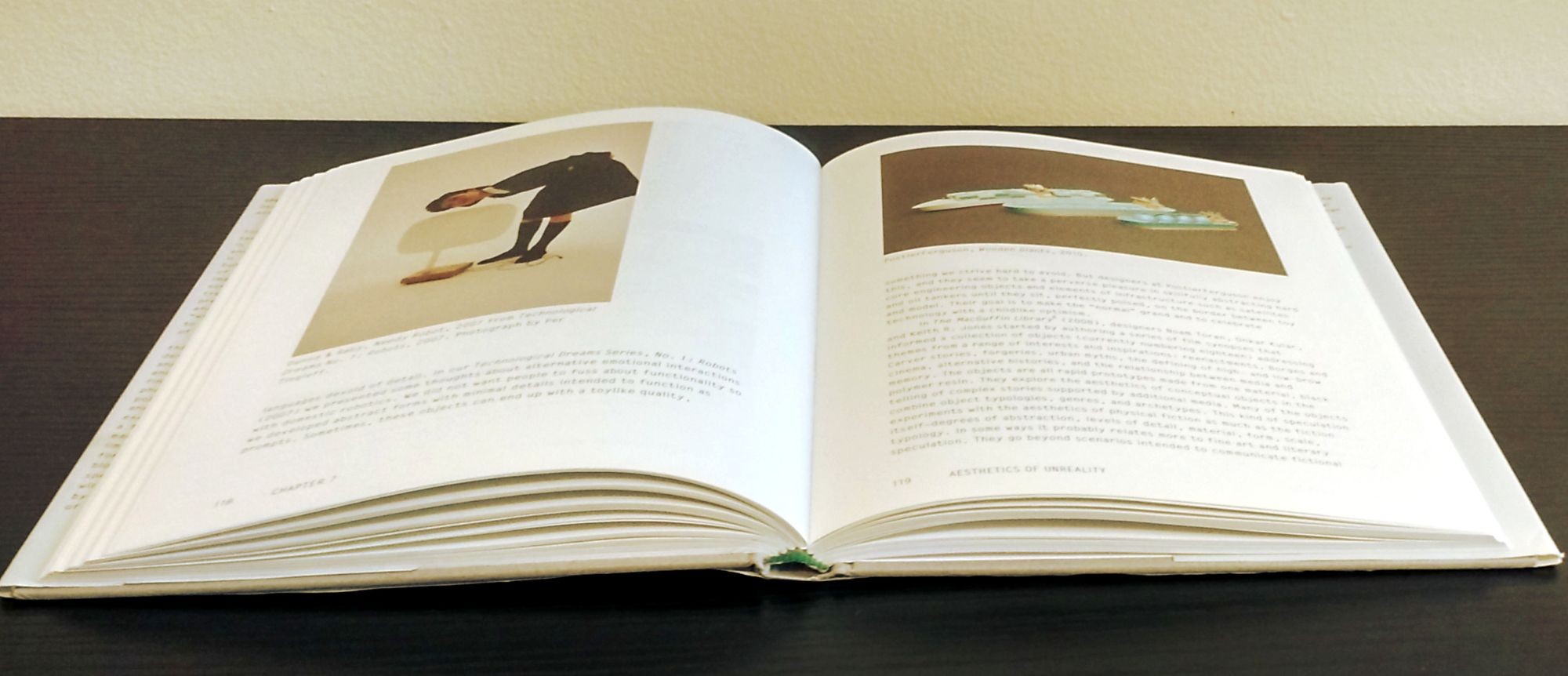
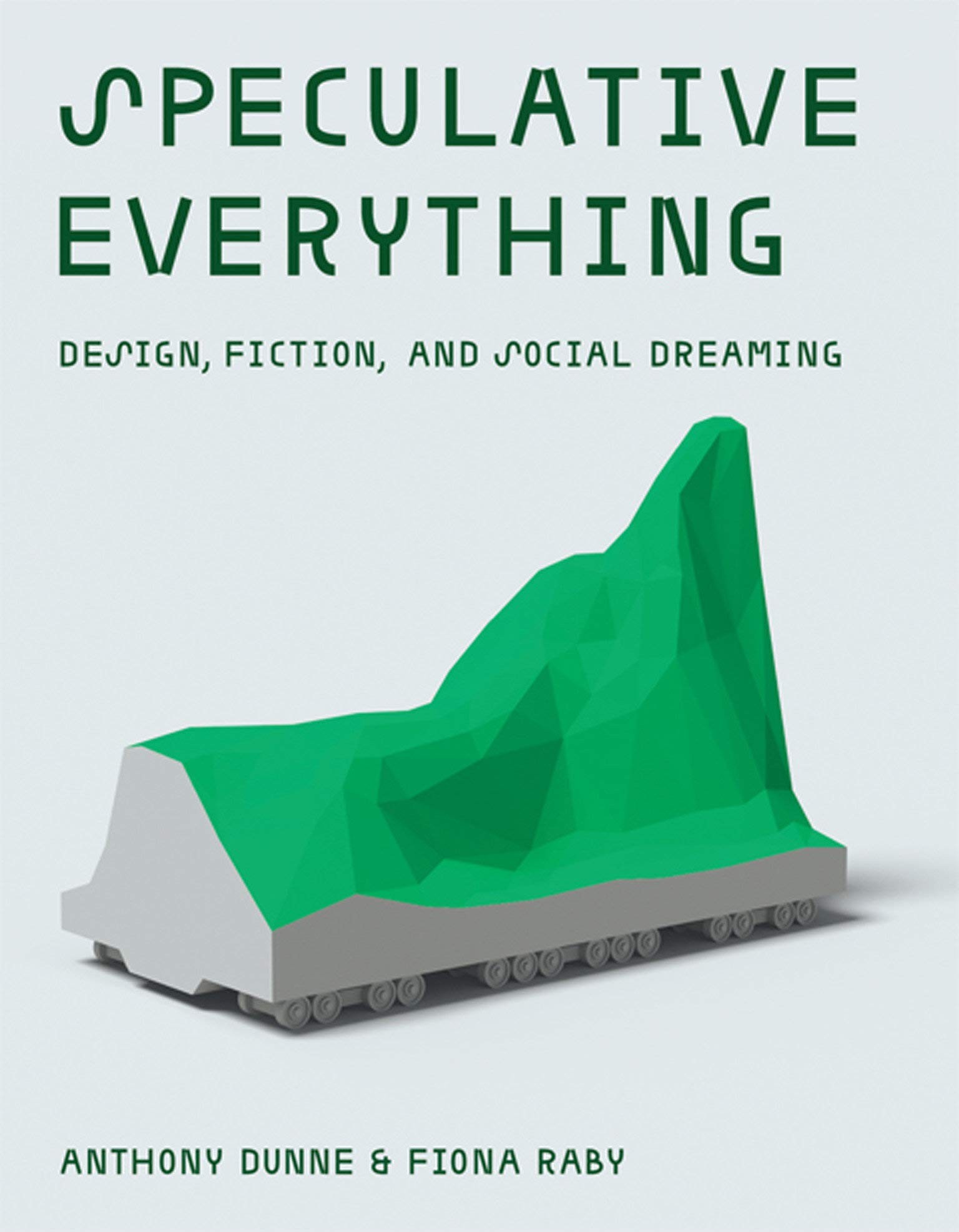
4. “Speculative Everything: Design, Fiction, and Social Dreaming”, 2013, Anthony Dunne, Fiona Raby
Στο Speculative Everything, ο Anthony Dunne και η Fiona Raby προτείνουν ένα είδος design που χρησιμοποιείται ως εργαλείο για τη δημιουργία όχι μόνο πραγμάτων αλλά και ιδεών. Το Speculative design έχει ως στόχο τη δημιουργία ενός “χώρου” φανταστικού, ενός design μελλοντολογικού, που πιθανολογεί πώς το μέλλον μπορεί -δυνητικά- να λειτουργεί ή ποια προβλήματα μπορεί να επιφυλάσσει, και έτσι προτείνει κάποιες λύσεις. Το “Speculative Everything” προσφέρει μια περιήγηση σε ένα αναδυόμενο πολιτιστικό τοπίο σχεδιαστικών ιδεών και προσεγγίσεων του μέλλοντος. Οι Dunne και Raby, με βάση το δικό τους design και την πολυετή διδακτική εμπειρία τους, φέρνουν παραδείγματα από τις καλές τέχνες, το σχέδιο, την αρχιτεκτονική, τον κινηματογράφο και τη φωτογραφία. Θεωρητική βάση του βιβλίου είναι η πολιτική θεωρία, η φιλοσοφία της τεχνολογίας και του κυβερνοχώρου, καθώς και η λογοτεχνία του φανταστικού. Το βιβλίο διατείνεται πως, μέσω του “ενδεχομενικού design”, η πραγματικότητα μπορεί να γίνει λιγότερο άκαμπτη και να έρθει περισσότερο στα μέτρα μας.
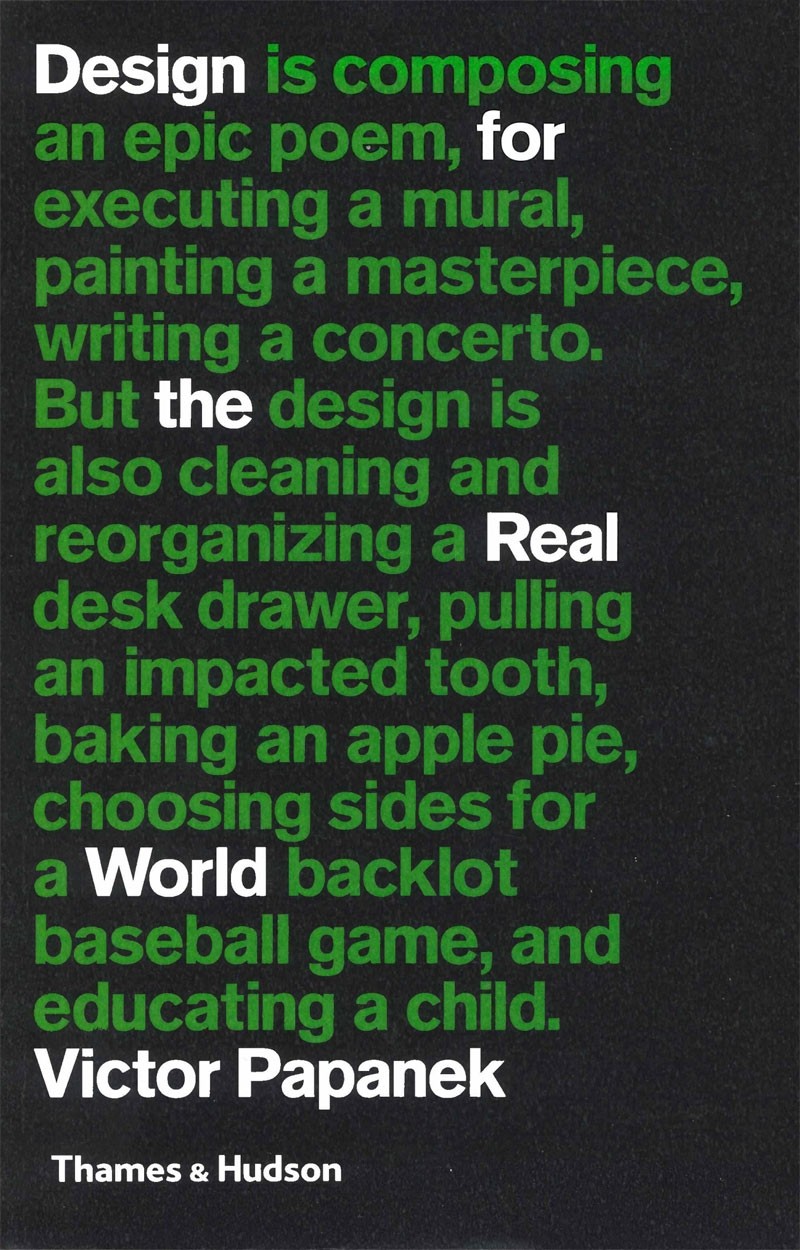
5. “Design for the Real World: Human Ecology and Social Change”, 1971, 2019, Victor Papanek
Το διαχρονικό αυτό βιβλίο γράφεται από τον σχεδιαστή και δάσκαλο design Victor Papanek, με αφορμή, όπως λέει ο ίδιος στην εισαγωγή του, την έλλειψη τέτοιων βιβλίων. Βιβλίων design, τα οποία να αποτελούν έμπνευση και να διδάσκουν το νόημα του σχεδιασμού σε όποιον ενδιαφέρεται. Ένα βιβλίο που θα ήθελε να διαβάσει ο ίδιος. Γραμμένο το 1971 και μεταφρασμένο πλέον σε πάνω από είκοσι γλώσσες, το έργο αυτό αποτελεί σταθμό στη βιβλιογραφία γύρω από το design. Ο ιδιαίτερος οδηγός τού Victor Papanek προτείνει πώς το design μπορεί να μειώσει τη ρύπανση, τη συσσώρευση, την πείνα, την απαξίωση και απομόνωση και άλλες σύγχρονες προβληματικές. Μας οδηγεί μακριά από αντικείμενα φετίχ μιας σπάταλης κοινωνίας, προς μια νέα εποχή στην οποία πρυτανεύει ο ηθικά και περιβαλλοντικά υπεύθυνος σχεδιασμός, ενώ υπάρχει και ο αντίστοιχος συνειδητοποιημένος καταναλωτής.

.jpg)