Η φυσική παρουσία μέσα στο ψηφιακό “άλλο”
DS.WRITER:
Georgina Pantazopoulou
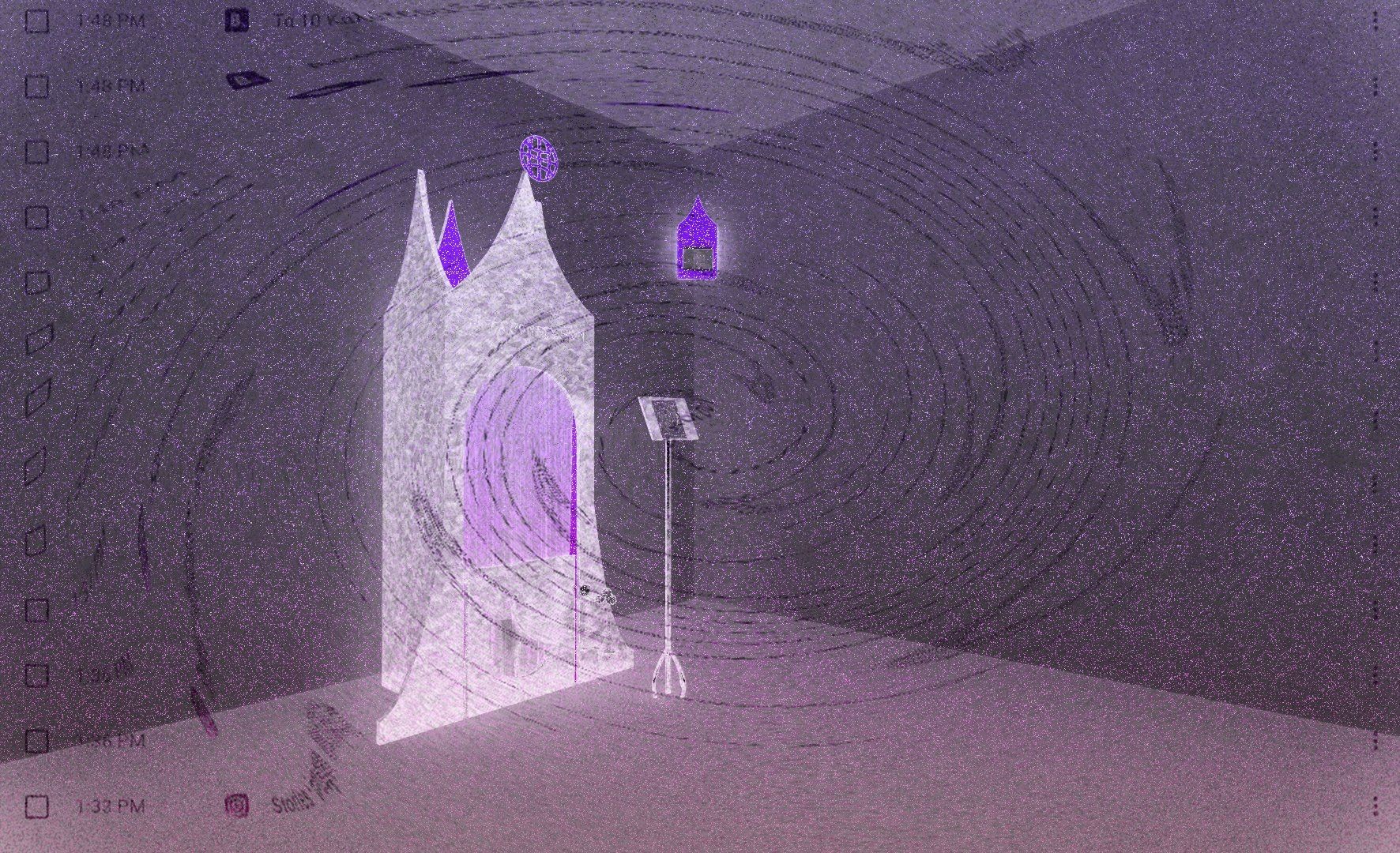
Κεντρική εικόνα: Τζωρτζίνα Πανταζοπούλου
Ζώντας σε μια εποχή όπου το ψηφιακό σώμα και το φυσικό συνυπάρχουν, πώς μπορεί ο σχεδιασμός να χρησιμοποιηθεί ως εργαλείο για την πραγματοποίηση της οικειότητας της οικιακής σχέσης, εάν τα όρια μεταξύ ανθρώπινων και περισσότερο-από-ανθρώπινων (more-than-human) υποκειμένων έχουν θολώσει; Καθώς τα ασύρματα δίκτυα επικοινωνίας έχουν αντικαταστήσει τα “φυσικά” δίκτυα, διαθέτουν οι καλλιτέχνες και οι designers τις δεξιότητες και τη φιλοδοξία να απο-ταυτιστούν από την υπάρχουσα προσέγγιση σχεδιασμού οικείων χώρων;
Η εποχή του Covid-19 έφερε ξανά στο προσκήνιο την έννοια “σπίτι”. Τι σημαίνει να είσαι “στο σπίτι”, τι σημαίνει να είσαι μακριά από το “κοινό”, συνεχώς μπροστά σε αυτό που οι περισσότεροι από εμάς αποκαλούμε “οικείο”; Και πόση οικειότητα προσφέρει πράγματι αυτή η “εξοικείωση”; Μας ζητήθηκε να ανακατασκευάσουμε τις χωρικές διαστάσεις των δωματίων μας, διαμορφώνοντάς τα σε γραφεία, γυμναστήρια, παιδικές χαρές και κοινωνικούς χώρους, όπως καφετέριες και εστιατόρια. Ταυτόχρονα, ήρθαμε αντιμέτωποι περισσότερο από ποτέ με την “ψηφιακή” και “διαδικτυακή” πραγματικότητα. Από τη μια βρισκόμασταν ως ανθρώπινα σώματα μέσα σε μια φυσική χωρική πραγματικότητα, και από την άλλη ζούσαμε το μεγαλύτερο μέρος της ζωής μας μέσα στην ψηφιακή. Οι οθόνες εξυπηρετούσαν τις περισσότερες ανάγκες μας στη διάρκεια της ημέρας. Η Legacy Russell, στο βιβλίο της “Glitch Feminism”1, παρατηρεί πως ο ψηφιακός κόσμος παρέχει έναν πιθανό χώρο όπου αυτό μπορεί να ξεδιπλωθεί. Μέσω του ψηφιακού, φτιάχνουμε νέους κόσμους και τολμάμε να τροποποιήσουμε τους δικούς μας.
Όντας σε αυτή την ενδιάμεση κατάσταση, το σώμα μας δεν μπορούσε να μείνει αμέτοχο: τα ερεθίσματα του σώματος, ακόμη και οι στάσεις μας, φαινόταν να αλλάζουν. Κατά συνέπεια, αρχίσαμε να μπαίνουμε σε μια αναθεώρηση της πραγματικότητας -όπως την ξέραμε μέχρι τότε-, ανακαλύπτοντας νέα όρια, προσδιορίζοντας νέες ανθρώπινες και περισσότερο-από-ανθρώπινες συμπεριφορές, με στόχο να δημιουργήσουμε τη δική μας “comfort zone” για να επιβιώσουμε.
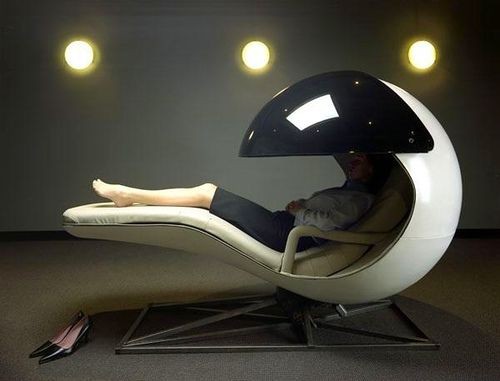
MetroNaps sleeping pod, 2014 | Πηγή εικόνας: flickr.com
Ταυτόχρονα, προχωράμε σε αναζήτηση νέων μεθόδων και εργαλείων επιβίωσης, εστιάζοντας το ενδιαφέρον μας στην έννοια της “ευεξίας” και του “easy living”. Σε αυτό το σημείο, η τεχνολογία και τα δίκτυα στον κυβερνοχώρο είναι εκεί για να συμβάλουν σε αυτό. Πιθανότατα έχετε παρατηρήσει την ξαφνική άνοδο των συσκευών white noise, οι οποίες βασικά υπόσχονται μια ήσυχη και ήρεμη οικιακή ζωή, μακριά από εξωτερικούς θορύβους που αποσπούν. Αλλά αυτή η απόσπαση της προσοχής προέρχεται συχνά από την ίδια την τεχνολογία. Οι περισσότεροι από εμάς έχουμε βιώσει κάποια στιγμή -ή μάλλον βιώνουμε σε καθημερινή βάση- αυτό το αίσθημα του να μην μπορούμε να ελέγξουμε τον χρόνο που περνάμε μπροστά σε οθόνες υπολογιστών, tablet ή smartphone, ενώ εκθέτουμε τον εαυτό μας σε μια πληθώρα πληροφοριών, ανίκανοι να ξεφύγουμε. Με άλλα λόγια, βρισκόμαστε συνεχώς σε μια λειτουργία αναζήτησης, που μας οδηγεί να χρησιμοποιήσουμε τεχνολογία για να εξαλείψουμε την τεχνολογία. Το σώμα πρόκειται να μάθει, βήμα-βήμα, να συνεργάζεται με την τεχνολογία, μπαίνοντας σε μια συνεχή και εθιστική “λούπα”, που για κάποιους λειτουργεί και για κάποιους άλλους φαίνεται ακόμα ανοίκεια.
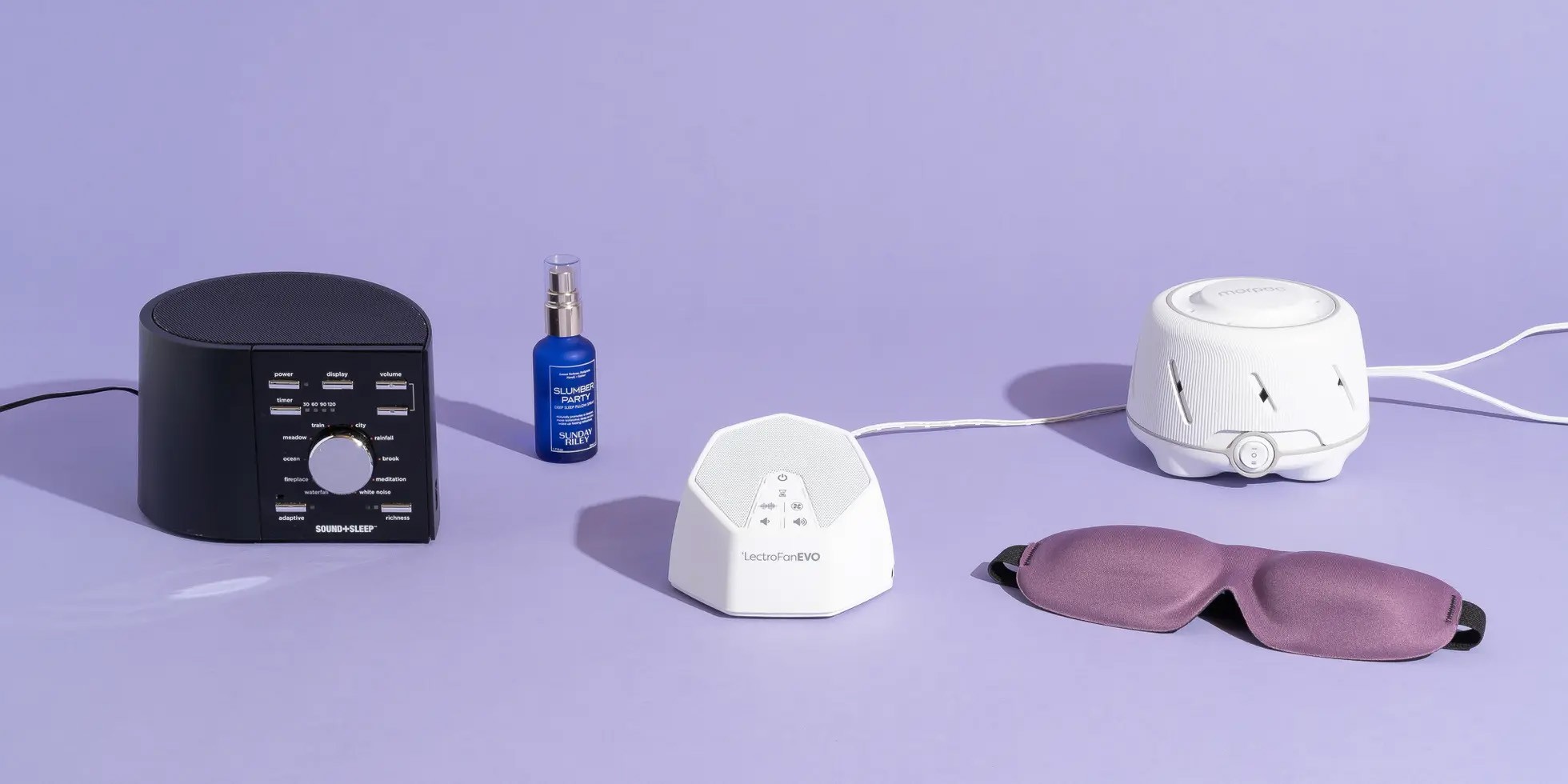
Συσκευές white noise | Πηγή εικόνας: nytimes.com
Αναλογιζόμενοι πως το μεγαλύτερο μέρος της τρέχουσας αρχιτεκτονικής μας εξακολουθεί να βασίζεται σε παλαιότερα χωροταξικά φαντασιακά που θυμίζουν το Βιτρουβιανό ή αρθρωτό σώμα, συναντάμε μια σύγκρουση μεταξύ “ανάγκης” και “διαθεσιμότητας”. Η ψηφιακή πραγματικότητα που μας περιβάλλει, εν μέρει σκοπεύει να καλύψει αυτό το κενό ή, αν όχι, το κάνει ως παρενέργεια. “Μακριά από δεδομένη, αυτή η φιγούρα του ανθρώπου κατασκευάζεται σε μια πολύπλοκη ανταλλαγή στην οποία πειθαρχείται, ή ακόμη φυλακίζεται, από την ίδια γεωμετρία από την οποία υποτίθεται ότι αναδύεται. Ο ουσιαστικός άνθρωπος είναι μόνος, λευκός, αρσενικός, αθλητικός: μια εξαιρετικά ιδεολογική φιγούρα φαντασίας που παρουσιάζεται ως κανόνας, ένα πρότυπο ανθρώπου πάνω στο οποίο θα βασιστεί όλος ο αρχιτεκτονικός σχεδιασμός.”2 Ήδη στα μέσα του 20ού αιώνα, και πριν ακόμη η ανθρωπότητα εισέλθει στην ψηφιακή εποχή, αρχίσαμε να παρατηρούμε διάφορα παραδείγματα που υπόσχονταν να βελτιώσουν την οικιακή σωματική δράση. Ο Michael Webb, από την ομάδα Archigram, με το έργο μικρής κλίμακας “Suitaloon” (1968) ως κατασκευασμένο πρωτότυπο, υπογράμμισε την ανθρωπιστική πτυχή των τεχνολογικών προόδων σχετικά με το οικιακό περιβάλλον και τις καθημερινές ρουτίνες των χρηστών.
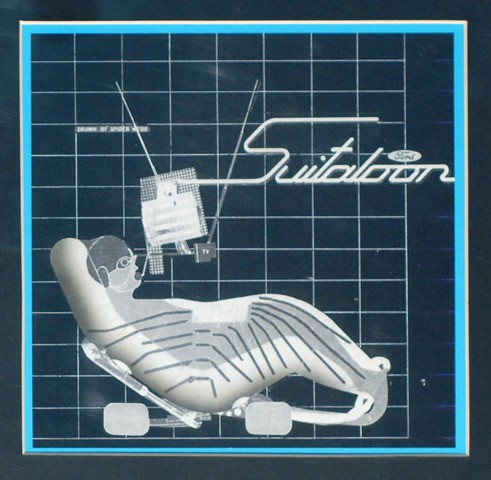
Michael Webb, suitaloon 1968 | Πηγή εικόνας: arquitecturamovil.tumblr.com
Επιστρέφοντας στην έννοια της “οικειότητας”, προκύπτουν ερωτήματα σχετικά με το πόσο πράγματι είναι οικεία η οικιακή δράση. Αφενός, έχει στηριχθεί εξ ορισμού σε έναν αρχιτεκτονικό σχεδιασμό που αφορά συγκεκριμένη μερίδα ανθρώπων, και από την άλλη, γίνεται δέκτης δραστικών αλλαγών, που άλλες φορές νιώθουμε ότι σίγουρα χρειαζόμαστε, ενώ άλλες νιώθουμε ότι δεν μπορούμε καν να τις διαχειριστούμε. Πώς μπορεί να επαναπροσεγγιστεί ο διάλογος για τον σχεδιασμό ενός οικιακού περιβάλλοντος; Πώς μπορούμε να εργαστούμε με πιο ισότιμες και συμπεριληπτικές μεθόδους, για να ενσωματώσουμε σε βάθος αυτό που ανήκει στον Εαυτό και αυτό που ανήκει στον ψηφιακό Άλλο;
Screenshot από τις κριτικές Wirecutter του nytimes, "The Best White Noise Machine", από την Joanne Chen, 14 Δεκεμβρίου 2022 | Πηγή εικόνας: nytimes.com
Πέρυσι, κατά τη διάρκεια του Athens Digital Art Festival (ADAF) με τίτλο FutuRetro, η Τζωρτζίνα Πανταζοπούλου, σε συνεργασία με την αρχιτέκτονα και πολυεπιστημονική καλλιτέχνιδα Μάρθα Παναγιωτοπούλου, παρουσίασαν μια διαδραστική εγκατάσταση με τίτλο “Data Confession”, βασισμένη στους παραδοσιακούς θαλάμους εξομολόγησης που γνωρίζουμε στον δυτικό πολιτισμό, αλλά αυτή τη φορά ο επισκέπτης έπρεπε να εξομολογηθεί όχι σε ανθρώπινη παρουσία αλλά στο ψηφιακό «Άλλο». Μια ταυτόχρονη ενέργεια πληκτρολόγησης, αναζήτησης και κοινής χρήσης των μοναδικών μας δεδομένων πραγματοποιείται μέσω του φυσικού και ψηφιακού μας σώματος, συχνά υπό το πρίσμα της μοναξιάς. Ο φυσικός εαυτός συνυπάρχει με τον ψηφιακό και ομολογούν δεδομένα ο ένας στον άλλο. Ταυτόχρονα, ο ψηφιακός Άλλος είναι εκεί για να ακούσει, να συλλέξει, να αποθηκεύσει, να μοιραστεί ή ακόμα και να χρησιμοποιήσει αυτά τα δεδομένα. Σε αυτήν την αναδρομική φουτουριστική κοινωνία, ο κόσμος των δεδομένων αντικαθιστά την ανθρώπινη παρουσία. Χωρίς συχνά να μπορούμε να καταλάβουμε αν μια τέτοια κατάσταση μας κάνει να νιώθουμε άνετα ή όχι, θα πρέπει ωστόσο να τη λάβουμε υπόψη και να αρχίσουμε να επεξεργαζόμαστε τη δημιουργία ενός νέου δείκτη, που βασίζεται σε έναν μετα-ανθρωποκεντρικό και έναν μετα-δυϊστικό τρόπο σχεδιασμού και σκέψης σχετικά με τις υποδομές των οικείων χώρων.
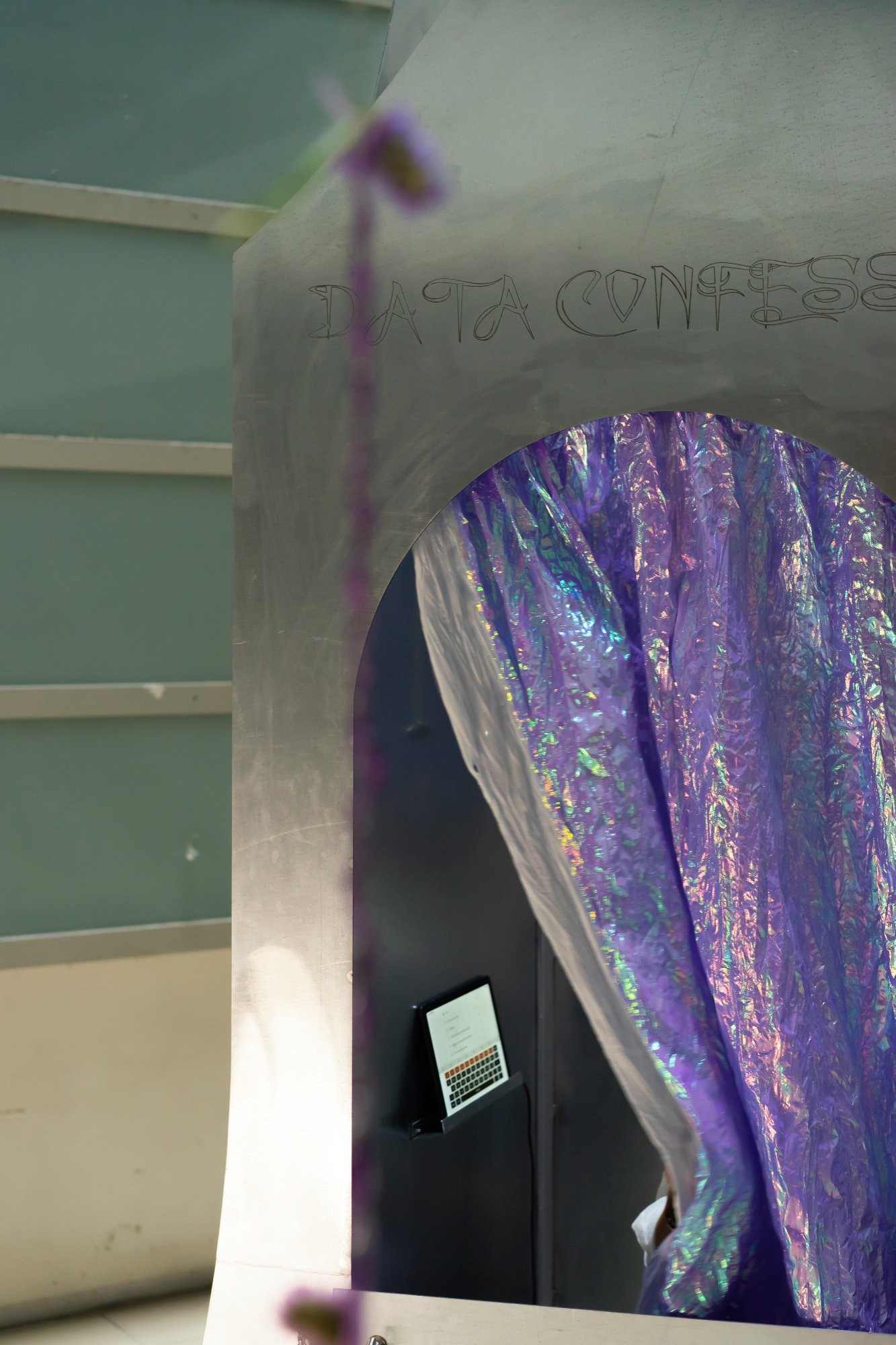
Data Confession, Τζωρτζίνα Πανταζοπούλου και Μάρθα Παναγιωτοπούλου, 2022 | Πηγές εικόνας: Τζωρτζίνα Πανταζοπούλου | 2022.adaf.gr
Η Helen Hester, στο βιβλίο “Xenofeminism”, υποστηρίζει ότι πρέπει, κατά μία έννοια, να απο-εξοικειωθούμε από τη βιολογική οικογένεια, και ταυτόχρονα να εξοικειωνόμαστε εκ νέου με τα εναλλακτικά δίκτυα αλληλεγγύης και οικειότητας με τέτοιον τρόπο, ώστε να μπορούν να γίνουν τόσο γενικεύσιμα και όσο το δυνατόν πιο προσβάσιμα, χωρίς να πέσουμε στην παγίδα της αναπαραγωγής του ίδιου.3 Πρέπει να ξεκινήσουμε την αποφυσικοποίηση της οικιακής σωματικής δράσης, και ο μόνος τρόπος για να προσεγγίσουμε τα μετα-ανθρώπινα (posthuman) σώματα είναι να τα δούμε ως πολυκατευθυντικά, υβριδικά και ως φιγούρες διασύνδεσης. Αποκαλύπτοντας τις πραγματικότητες που υπάρχουν μεταξύ της φυσικής και της ψηφιακής υποδομής, μπορεί να είμαστε σε θέση να αφηγηθούμε εκ νέου το οικείο με πιθανώς άγνωστους ή απροσδόκητους τρόπους.
1 Legacy Russell, Glitch Feminism: A Manifesto, Verso Books, London, 2020, 11
2 Beatriz Colomina and Mark Wigley, Are We Human? - Notes on an Archaeology of Design, Lars Müller Publishers, Baden, 2016, 148
3 Helen Hester, Xenofeminism, Polity Press, Oxford, 2018, 66
***
Η Τζωρτζίνα Πανταζοπούλου (1994) είναι διεπιστημονική καλλιτέχνης και designer με έδρα τη Χάγη (NL), απόφοιτος του τμήματος Αρχιτεκτονικής του Πανεπιστημίου Πατρών. Αποφοίτησε από τη Royal Academy of Art της Χάγης (Master Interior Architecture), λαμβάνοντας το βραβείο Stroom Young Talent Award 2022 για το πρότζεκτ τής πτυχιακής της “Her Practice: Biases, Glitches and Oppressive Values or a Happy Domesticity”. Έχει φοιτήσει επίσης στο τμήμα Αρχιτεκτονικής του Πανεπιστημίου Πατρών (MArch, 2018). Οι πρακτικές της, ορμώμενη από παρατηρήσεις στον οικιακό χώρο, στοχεύουν στην αμφισβήτηση και επανεφεύρεση των επιπέδων οικειότητας, δημιουργικότητας και φαντασίας, χρησιμοποιώντας το design και τις καλλιτεχνικές πρακτικές ως δύναμη για πιο ίσες και συμπεριληπτικές αλληλεπιδράσεις. Το 2022 συνίδρυσε την Common Ground Practice.
.jpg)